

On this page
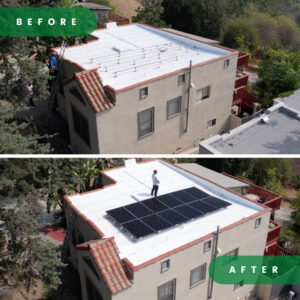
Solar energy can help Los Angeles homeowners reduce utility dependence, support cleaner energy use, and plan a smarter long-term home energy strategy. A good solar project should also consider roof condition, battery backup, electrical capacity, utility rates, and future upgrades such as EV charging or heat pumps.
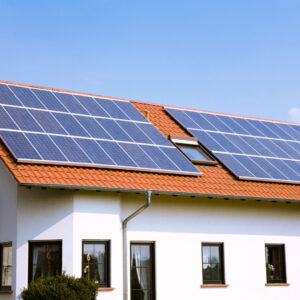
Environmental Benefits of Solar Power
First and foremost, solar energy is a clean, green source of power. By harnessing the sun's rays, you can generate electricity without emitting harmful greenhouse gases. This is a significant step towards reducing your carbon footprint and contributing to global sustainability efforts. See how Los Angeles homes are transforming with Tesla Solar Roofs. It's a win-win situation for both you and the planet.
Unlocking Cost Savings
One of the main reasons homeowners consider solar is the potential to reduce purchased grid electricity. Actual bill impact depends on utility territory, rate plan, system size, shade, household usage, export rules, financing terms and whether battery storage is included. A written proposal should separate estimated production from guaranteed results and explain current incentive assumptions before they are used in the budget. Review solar panel installation planning and the Los Angeles incentive review guide before relying on projected savings.
Using Solar Production More Strategically
In some cases, solar panels may produce more electricity than the home uses at certain times of day. The value of that extra production depends on your utility, rate plan, export rules, battery storage, and current program structure. This is why many Los Angeles homeowners now review solar panels together with battery backup and time-of-use planning. Learn how the Tesla Powerwall in Los Angeles supports sustainable living by storing that extra solar production.
Boosting Property Value
Solar may be attractive to some buyers, but resale impact varies by system ownership, equipment age, roof condition, utility economics, documentation and local market conditions. Homeowners should keep contracts, permits, inspection records, warranties and monitoring information organized so a future buyer can understand the system clearly. Solar should be evaluated first for the home's energy and resilience goals, not as a guaranteed increase in resale value.
Energy Independence
Solar can reduce some dependence on purchased grid electricity, but a grid-tied solar system does not automatically power the home during an outage. Outage support usually requires compatible battery storage, controls and a defined backup-load plan. Solar production also changes by season, weather, roof orientation and shade, so homeowners should view it as one part of a broader energy plan rather than complete independence from the utility.

Solar Planning Checklist
| Planning Item | Why It Matters |
|---|---|
| Roof condition | Solar should be planned around roof age, decking, underlayment and remaining roof life. |
| Utility usage | The system design should reflect actual electricity use and future loads. |
| Battery backup | Powerwall or other storage may improve backup power and solar self-use. |
| Home efficiency | HVAC, heat pumps, insulation and windows can affect how much solar makes sense. |
Helpful Solar and Home Energy Resources
- Solar panel installation in Los Angeles
- Tesla Powerwall installation
- Solar-ready roofing
- Heat pump installation in Los Angeles
- Request a free estimate
How to Plan a Better Solar Project in Los Angeles
Before choosing panels, review at least 12 months of electric usage, the age of the roof, the main electrical panel, shade conditions, and any future loads such as EV charging or a heat pump. A good design should explain expected production, what happens during an outage, whether a battery is recommended, and how the system will be permitted and inspected.
For many homes, the best result comes from combining solar planning with roofing and efficiency upgrades instead of treating each project separately. That helps avoid extra labor later and gives the installer a clearer picture of how much energy the home will actually need.
What Solar Does Not Guarantee
Solar does not guarantee a zero utility bill, fixed savings, automatic outage power, a specific payback period or a particular increase in home value. Before signing, compare the equipment list, production assumptions, roof scope, electrical work, battery design, permit responsibility, utility paperwork, financing terms, warranty documents and exclusions. Ask how future loads such as an EV charger, heat pump, pool equipment or ADU would affect the design. Current incentives, tax treatment and utility programs should be confirmed at the time of the project because eligibility, funding and rules can change.
Conclusion
Solar can support lower grid dependence, cleaner electricity use, battery planning and future home electrification when the system is designed around the actual property. The strongest next step is a site-specific review of utility history, roof condition, shade, electrical capacity, backup goals and current program rules. Compare the complete written scope before deciding whether solar panels, battery storage, roofing work or a coordinated combination fits the home.
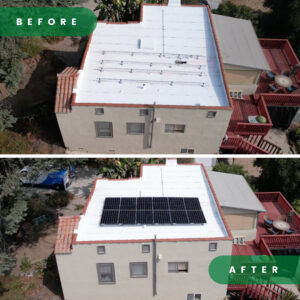
Prepare for a Solar Estimate
Bring at least 12 months of electricity usage, recent utility bills, roof age, leak history, panel photos, meter location, shade concerns and a list of planned electrical upgrades. Note whether the household expects to add an EV charger, heat pump, induction cooking, pool equipment, an ADU or additional occupants. Decide which loads matter during an outage, including refrigeration, internet, lighting, medical equipment, garage access and selected HVAC circuits. Ask each contractor to identify the exact panel or tile equipment, battery model, inverter or Gateway, electrical scope, roof assumptions, permit responsibility, utility paperwork, monitoring setup, warranty documents and exclusions. Compare estimated production and financing separately so a low monthly payment is not confused with a lower total project cost. The final proposal should explain what is confirmed, what remains subject to site conditions and which incentives depend on current eligibility or funding.
Solar Energy FAQ
Is solar still worth it in Los Angeles?
Solar can still make sense for many Los Angeles homes, especially when the design accounts for utility rates, roof condition, battery storage, future EV charging, and long-term energy use.
Should solar be planned with roofing?
Yes. If the roof is near the end of its life, it is usually better to review roofing before installing panels. Solar-ready roofing can help avoid removing and reinstalling panels later.
Should I add battery backup?
Battery backup may help store solar energy, manage time-of-use rates, and provide outage protection. The right battery plan depends on home loads, backup goals, utility rules and budget. Efficiency upgrades matter too — our guide to choosing the right HVAC system for your Los Angeles property can help you size everything together.
Book A Free Estimate Appointment Now!Plan your home energy project with one team
Compare scope, equipment and utility rules in a single written plan built around your address.
Start My Home Plan