

On this page
Los Angeles homes are no strangers to heat, and demand keeps growing for efficient cooling, smart controls, heat pumps, solar pairing, and battery backup planning. The best HVAC technology choice depends on the home's ductwork, insulation, electrical capacity, roof solar potential, utility territory, and comfort goals. This guide explains the options in practical terms and points homeowners toward a project-specific estimate instead of generic financial-outcome claims.
Key Takeaways
- Solar and battery planning can help support efficient HVAC operation, especially when paired with solar panel installation, home battery estimates, and smart load planning.
- Intelligent HVAC systems, such as those with ComfortBridge Technology and SmartCoil Innovation, provide smart temperature control and enhanced efficiency.
- Top HVAC brands employ strategies like multiple identities and innovative marketing to stay competitive and appealing to consumers.
- Eco-friendly HVAC solutions, including energy-efficient compressors, are available on the market, balancing performance with environmental sustainability.
- Regular maintenance and professional assistance are key to preventing and addressing unpleasant odors that can come from air conditioning units.
- Before choosing a system, compare HVAC estimate, heat pump installation, LADWP heat pump rebate planning, and AC replacement cost factors.
Chasing the Sun: Harnessing Solar Power for Home Cooling

This guide covers several cooling technologies. Here is an at-a-glance comparison of the main options discussed, the benefit each emphasizes, and the kind of LA home it tends to suit.
| Technology | Main Benefit | Best Suited For |
|---|---|---|
| Solar PV-powered HVAC | Lower electricity use over time | Homes with good sun exposure and roof space |
| Solar thermal systems | Uses the sun's heat directly | Smaller homes and targeted setups |
| Battery storage (e.g., Powerwall) | Cooling during outages and peak hours | Homes pairing solar with backup needs |
| Intelligent HVAC (smart controls) | Automated comfort and energy savings | Most homes wanting remote control |
| Energy-efficient compressors | Variable-speed, steadier temperatures | Homeowners replacing an aging AC |
The Basics of Solar-Powered HVAC Systems
Solar and HVAC planning should start with the home’s actual cooling load, roof production, utility territory, electrical capacity and future electrification plans. Solar can offset part of a home’s electricity use, but it does not automatically make an HVAC system independent from the grid.
- Solar PV systems: solar panels generate electricity that may offset home loads, including cooling, when production and usage align.
- Battery storage: storage can shift solar energy into evening use or support selected backup loads when the design allows.
For homes considering solar, batteries and heat pumps together, the proposal should separate solar production, HVAC load, battery reserve, backup-load design and utility assumptions.
The transition to solar and HVAC electrification works best with correct sizing, electrical review, permit planning and current utility-rate modeling.
Before choosing a system, review heat pump and solar planning, solar panel installation and battery backup planning.
Cost vs. Benefits: Is Solar Right for Your Home?
Solar-powered cooling should be evaluated as a whole-home planning question, not a quick savings promise. The right answer depends on utility bills, roof space, HVAC size, electrical panel capacity, inverter design, battery storage, rate plan and installation scope.
Key design questions include:
- How much electricity the HVAC system uses during hot afternoons and evenings.
- How much solar production is available during those same periods.
- Whether battery storage is needed for evening use or selected backup loads.
- Whether a heat pump, EV charger or panel upgrade should be planned at the same time.
Tradeoffs to review:
- Battery compatibility, inverter design and utility interconnection requirements.
- Whether HVAC is included in backup loads or excluded to preserve battery runtime.
- Financing, incentives and tax questions that require current eligibility review.
System size matters. Square footage, insulation, ductwork, roof space, electrical panel capacity, utility territory, and cooling load all affect whether solar pairing makes sense for HVAC. Instead of relying on generic cost-per-watt examples, ask for a written scope that separates HVAC equipment, electrical work, solar production assumptions, battery storage, permits, HERS testing when applicable, and financing terms.
And batteries? They're like the cherry on top. They store that sweet, sweet solar power for a rainy day... or night. But remember, the right setup is key to keep your home chill without any hiccups.
Installation Insights: What to Expect
So you're thinking about jumping on the Los Angeles solar energy bandwagon and getting a solar-powered HVAC system installed? Smart move! But let's set some expectations before you start envisioning a breezy, sun-powered paradise in your home.
First off, installation isn't a one-day affair. It's a bit like a mini home makeover. You'll need to be patient as professionals work their magic, setting up panels and making sure everything's connected just right. And hey, if you're considering a Tesla Powerwall for your solar power storage, that's another piece to the puzzle that'll need attention. Our overview of the Tesla Powerwall in Los Angeles walks through how it fits into a sustainable home.
Expect some home life disruption during installation. It's temporary chaos for long-term comfort.
Here's a quick rundown of what the process might look like:
- Assessment of your home's solar viability
- Choosing the right system for your needs
- Installation of solar panels
- Setting up the inverter and other equipment
- Integration with a solar power storage solution, like the Tesla Powerwall
Remember, the goal here is to harness that sweet, sweet solar energy to keep your home cool without breaking a sweat (or the bank) over the long haul.
Smart and Chilled: The Rise of Intelligent HVAC Systems

Smart HVAC controls: what to review
Modern HVAC systems may include communicating controls, Wi-Fi thermostats, variable-speed operation and equipment diagnostics. These features can support better comfort, but they do not replace correct sizing, ductwork, airflow or proper installation.
Before choosing a system, ask how the controls work with the specific indoor unit, outdoor unit, thermostat, heat pump stages and service setup.
Smart controls are useful when they help the system match real room conditions and make service issues easier to identify.
Review these items in the proposal:
- Thermostat and equipment compatibility.
- Variable-speed or staged operation details.
- Alert and diagnostic behavior.
- Warranty and service responsibilities.
Coil design, airflow and variable-speed efficiency
Coil design, blower setup and variable-speed operation can affect comfort and energy use, especially during long Los Angeles heat waves. The actual benefit depends on correct equipment sizing, refrigerant charge, ductwork, airflow, controls and installation quality.
Navigating the Smart HVAC Marketplace
Alright, let's dive into the wild world of smart HVAC shopping. It's like a jungle out there, with a ton of options that can make your head spin faster than a ceiling fan on a hot day. But fear not! I've got some tips to help you cut through the noise.
First things first, know your needs. Are you looking for something that'll play nice with your smart home gadgets? Or maybe you're all about energy efficiency? Jot down your must-haves before you start your hunt.
Here's a quick checklist to keep you on track:
- Compatibility with existing systems
- Energy efficiency ratings
- Smart features (like remote access and learning capabilities)
- Warranty and support
- User reviews and ratings
Remember, the flashiest system isn't always the best fit for your pad. It's all about finding that sweet spot between cool tech and practicality.
Lastly, don't be shy to ask for help. Hit up your local HVAC pros — our list of the top HVAC contractors in Los Angeles is a good place to start — or dive into online forums. There's a whole community of cool cats out there ready to share their two cents. Happy hunting!
The Secret Life of HVAC Giants: Brand Strategies Unveiled
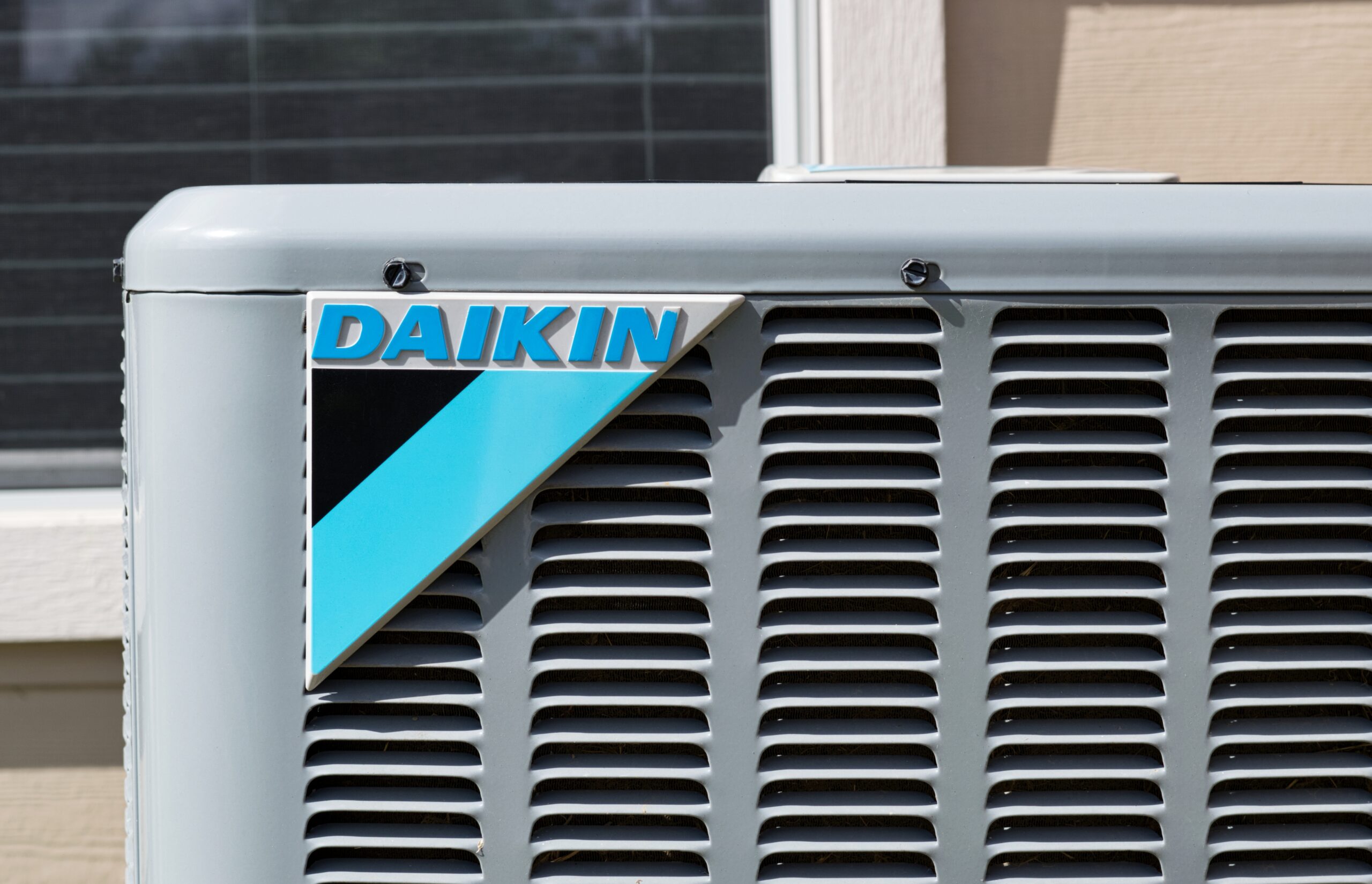
The Power of Multiple Identities
Ever noticed how some HVAC giants seem to be everywhere, yet nowhere at the same time? It's like they've got this shape-shifting superpower. Turns out, it's not just fancy branding; it's a full-on strategy. These big players often have a bunch of different brand names they operate under. Each one has its own vibe, price point, and features. It's like they're throwing a party and inviting themselves over and over again.
Here's the lowdown on why they do it:
- Diversity in the market: They can appeal to different customer segments.
- Risk distribution: If one brand takes a hit, the others keep on trucking.
- Market dominance: More brands mean more shelf space and mindshare.
Ever peeked behind the curtain of the HVAC world? It's a wild ride of dual identities, where companies play a masterful game of hide and seek with their brands. They're the chameleons of the industry, constantly adapting and evolving to stay ahead of the game.
So next time you're out shopping for an HVAC system, remember that the brand you're eyeing might just be one of many masks worn by a single HVAC titan. If you want to cut through the noise, our guide to the best HVAC brands for LA homes compares the names that actually deliver. It's a clever dance of identities, all designed to keep you cool in more ways than one.
Marketing Magic: How Top Brands Stay on Top
Ever wonder how the big names in HVAC keep ruling the roost? It's not just about having a snazzy logo or a catchy jingle. These giants are playing 3D chess while we're out here playing checkers. They've got a bag of tricks that keeps them a step ahead, and it's not all about the tech they're selling.
- They create a bunch of brands under one umbrella, so it feels like we've got choices galore, but really, it's all them!
- They're not afraid to throw a curveball and test out wild ideas on one brand without risking the rep of another.
- And they've got this whole multiple identities thing down to an art, making each brand feel unique.
It's like they're hosting a party and inviting us to mingle with their different personas. We get to pick our dance partner, but at the end of the day, they're all part of the same crew.
So next time you're marveling at how these HVAC honchos stay on top, just remember, they've got a strategy that's as cool as the air they're pumping out.
Innovative Approaches to Consumer Seduction
Ever peeked behind the curtain of the HVAC world? It's like a backstage pass to a rock concert, but instead of guitars and drums, you've got frosty chambers of patents and marketing wizardry. These HVAC giants are playing a clever game, using multiple identities to keep us guessing and, let's be honest, to keep their pockets lined. It's a bit like finding out your favorite indie band is actually a side project of a mega pop star.
It's not just about selling a product; it's about selling a story. And boy, do these companies know how to spin a yarn. They've got this down to an art form, creating a narrative around their brands that's as compelling as a binge-worthy TV show.
But here's the kicker: while they might be juggling brands like a circus act, the quality stays top-notch. It's not smoke and mirrors; it's more like a magic show where the magician actually saws the assistant in half. You're left amazed, but also, you know, with a solid HVAC system that won't bail on you when the LA sun cranks up the heat.
Green Machines: Eco-Friendly HVAC Solutions on the Market

Energy-Efficient Compressors: Do They Make a Difference?
Compressor type can affect comfort, noise, humidity control and energy use. Variable-speed and inverter-driven systems may run more steadily than basic single-stage equipment, but the value depends on the home and installation.
A high-efficiency compressor works best when the equipment is properly sized and the ductwork can deliver the required airflow.
Review these items before choosing equipment:
- Load calculation: sizing should match the home, not a rule of thumb.
- Airflow and ductwork: weak airflow can reduce the benefit of better equipment.
- Controls: thermostat and staging should match the selected system.
Bill impact should be modeled from utility rates, usage, equipment efficiency and installation quality rather than generic brand claims.
The Environmental Impact of Your HVAC Choices
Let's get real for a sec: your HVAC system is more than just a comfort wizard; it's got a footprint on Mother Earth too. Your HVAC system, while ensuring your home is cozy and comfortable, can have a notable environmental impact. The primary issues stem from energy consumption and the refrigerants used, which can mess with the ozone layer and contribute to greenhouse gas emissions. But hey, it's not all doom and gloom! There are ways to minimize the impact, like choosing systems with eco-friendly refrigerants and high efficiency ratings.
When you're thinking about HVAC and indoor air quality, remember that air filtration systems play a huge role. They're the unsung heroes that keep the nasties out of your air, making sure you're breathing easy and keeping your carbon footprint in check. And if you're in the market for a new system or need an HVAC repair, it's worth having a chat with HVAC technicians who know their stuff about the latest eco-friendly options.
Here's a quick rundown of what to look for:
- High Efficiency: Reduces energy consumption and emissions.
- Eco-friendly Refrigerants: Protects the ozone layer.
- Sound Control Design: Keeps the peace with less noise pollution.
- Recycled Materials: Makes Mother Nature a bit happier with less waste.
Remember, every choice you make, from the HVAC system you install to how you maintain it, has consequences for the environment. So, let's make choices that keep our planet cool, just like our homes.
Finding the Balance: Performance vs. Sustainability
When it comes to keeping your LA home cool, the tug-of-war between high performance and sustainability is real. We all want an HVAC system that chills our space like a polar vortex, but at the same time, we're rooting for the planet, right? Renewable energy LA style means embracing systems that lean on the sun and wind, not just the grid.
But here's the kicker: some green tech might ask you to compromise on that icy blast in favor of a lighter carbon footprint. It's all about finding that sweet spot where your comfort meets Mother Nature's. And let's be honest, in the sizzling LA heat, that's no small feat.
Performance trade-offs are a part of the journey towards a greener home. Some eco-friendly HVAC options might need a little tweak here and there to hit your comfort sweet spot. But hey, that's the price of being cool and kind to the planet, right?
So, what's the bottom line? You've got choices, and they're not just about staying cool. They're about staying cool responsibly. Whether you're retrofitting your pad with the latest in eco-tech or just starting to dip your toes into the renewable pool, it's all about balance.
Odor Busters: Keeping Your Cool and Your Air Fresh

Common Causes of A/C Odors and How to Tackle Them
Ever walked into your home and got hit by a funky smell that seems to be coming from your A/C? Yeah, not cool. Air conditioner smells may or may not be dangerous, but they sure can turn your comfort zone into a no-go zone. Let's sniff out the culprits and clear the air, shall we?
- Mold or Mildew: This is the usual suspect when your A/C starts to whiff of the musty library. It's often due to moisture that doesn't get a chance to dry out, especially in those hidden nooks and crannies.
- Clogged Filters: If you're not changing or cleaning your filters regularly, they can start to smell like last week's leftovers. Not what you want circulating in your pad.
- Pests: Uninvited guests like rodents or bugs can sometimes take up residence in your ducts. And trust me, they're not the best roommates.
- Refrigerant Leaks: Got a sweet, chloroform scent wafting through the vents? Could be a refrigerant leak, which is definitely not something to sniff at.
Remember, a well-maintained A/C not only smells better but also runs more efficiently. So, keep those filters fresh and the condenser clear!
When it comes to tackling these issues, a bit of DIY can go a long way. For mold, a thorough cleaning with the right products can make a world of difference. Filters should be swapped out or cleaned every couple of months—more often if you've got pets or allergies. And if you suspect critters or a chemical leak, it might be time to call in the pros. Safety first, folks!
Maintenance Tips for a Fresh-Smelling Home
Alright, let's dive into some ventilation tips to keep your home's air as fresh as a daisy. First off, a solid maintenance routine is your best friend. Make sure to clean or replace those filters every couple of months, especially when your A/C is working overtime. It's like giving your HVAC a breath mint!
- Check your filter monthly
- Replace it quarterly
Remember, a clogged filter is like a stuffy nose for your A/C unit. Keep it clear to let your home breathe easy.
Also, don't forget to give your outdoor condenser some love. Clear away any leaves or debris, and take a peek at the fins—any damage there can mess with your system's flow. And hey, keep an eye on those refrigerant lines and drains. Leaks or blockages can lead to more than just a funky smell; they can wreak havoc on your home.
When to Call the Pros: Dealing with Persistent Smells
If odor, moisture, weak airflow, or refrigerant concerns keep coming back, it is time to call Los Angeles HVAC pros. A technician can inspect the filter, drain line, evaporator coil, blower, ductwork, refrigerant circuit, and outdoor condenser instead of guessing from the smell alone.
Remember, a professional's touch can turn your smelly situation around, giving you that breath of fresh air you've been longing for.
Here's a quick checklist to ensure you're getting the best pro for the job:
- Ask for before and after photos to gauge their work.
- Inquire about their experience—how long have they been at it?
- Make sure they clean up their mess post-job. No one likes extra chores!
And hey, if they do a stellar job, why not show some love with a tip? Just a thought!
Wrapping It Up: The Future of Home Cooling in LA
Los Angeles homeowners have more HVAC options than ever, but the best choice still depends on correct sizing, ductwork, airflow, electrical capacity, controls, utility territory and the home’s comfort goals. Solar, batteries and heat pumps can be reviewed together, but every savings, rebate or backup assumption should be tied to a project-specific estimate.
Before your HVAC technology estimate
For a useful recommendation, gather current equipment photos, filter size, ductwork concerns, room comfort issues, utility territory, and any solar or battery goals. That allows Home Upgrade Specialist to compare AC replacement, heat pump installation, smart thermostat upgrades, duct repairs, solar pairing, and Powerwall backup as one home comfort plan.
- Send photos of the condenser, furnace or air handler, thermostat, ducts, vents, panel, and roof if solar is being considered.
- Note hot rooms, poor airflow, noise, odors, allergies, high bills, or outage concerns.
- Review related guides: HVAC services, Daikin Fit heat pump, smart thermostat benefits, solar panel installation, and Tesla Powerwall installation.
Home Upgrade Specialist, Los Angeles HVAC, solar and roofing: Heat pump installation | HVAC estimate | Free estimate | (833) 446-6387.
Frequently Asked Questions
How do solar and HVAC systems work together?
Solar panels generate electricity that may offset part of a home’s electrical usage, including cooling loads, when production and usage align. A battery may shift some solar energy into evening use or selected backup loads when the approved design supports it.
What are the main benefits of planning solar and HVAC together?
The main benefits can include better coordination between cooling loads and solar production, improved outage planning when battery storage is included, and a clearer path for future electrification. Rebates and incentive rules are date-sensitive and eligibility-dependent, so homeowners should verify current rules before relying on any savings number.
How do smart HVAC controls improve comfort?
Smart controls can help manage schedules, alerts and staged or variable-speed operation when compatible with the installed equipment. Comfort and efficiency still depend on correct sizing, ductwork, airflow and installation quality.
Can advanced coil or compressor technology improve cooling efficiency?
It can help when the equipment is properly sized and installed. Coil design, compressor type, refrigerant charge, airflow, ductwork and controls all affect real-world performance.
What should I consider when choosing an eco-friendly HVAC system?
Consider current SEER2, EER2 and HSPF2 ratings, refrigerant, compressor type, ductwork condition, equipment sizing, warranty, installation quality and whether future solar, battery or heat pump plans should be included.
How can I eliminate unpleasant odors coming from my A/C unit?
To eliminate odors, regularly clean or replace air filters, schedule routine maintenance, ensure proper drainage, and clean evaporator and condenser coils. If odors persist, consult a professional for a thorough inspection and cleaning.
Plan your home energy project with one team
Compare scope, equipment and utility rules in a single written plan built around your address.
Start My Home Plan