

On this page
Los Angeles homes can face valley heat, coastal humidity, wildfire-smoke days, Santa Ana wind events, grid outages, and older duct systems that make comfort planning more complex. Preparing an HVAC system for these conditions should start with equipment sizing, duct condition, filtration, maintenance, electrical capacity, thermostat controls, and backup-load planning.
Key HVAC preparation takeaways for Los Angeles homes
- Solar and battery planning can support selected electrical loads during outages, but HVAC backup depends on system size, battery capacity, reserve settings, and electrical design.
- High-efficiency AC systems and heat pumps may improve comfort when they are correctly sized and matched with ductwork, airflow, and controls.
- Tesla Powerwall or another battery should be planned around realistic backup priorities, not a promise that every appliance will run during every outage.
- Los Angeles microclimates can require different HVAC strategies for coastal homes, valley homes, hillside properties, ADUs, and older houses.
- Filter selection, duct sealing, return-air sizing, and regular maintenance can support better indoor-air comfort and system performance.
Los Angeles HVAC weather-readiness checklist
Before peak heat, outage season, or a major equipment replacement, homeowners should document the items that affect comfort, efficiency, and backup planning.
- Check filter size, MERV rating, filter age, and return-air restrictions.
- Review duct leakage, insulation, attic exposure, and rooms with weak airflow.
- Confirm whether the system is properly sized before choosing AC replacement or heat pump conversion.
- Take photos of the electrical panel, outdoor condenser, indoor unit, thermostat, and battery or solar equipment.
- Decide which loads matter most during an outage, such as refrigeration, lights, internet, medical devices, selected outlets, or HVAC.
Related guides: HVAC services in Los Angeles, AC replacement sizing, heat pump installation, ductwork problems, and Tesla Powerwall installation.
Harnessing the Sun: Your HVAC's Best Friend

Store Solar Energy for a Rainy Day
Hey LA, let's talk about making the most of that golden sunshine, even when the skies turn grey. Storing solar energy is like saving for a not-so-sunny day, and it's a game-changer for your HVAC system. With solar power storage, you're looking at a reliable source of renewable energy LA can count on, come rain or shine.
Here's the scoop on how to keep your HVAC humming with solar juice:
- First up, get those solar panels up on your roof. They're your front-line warriors in harvesting those rays.
- Next, pair them with a battery system that's got enough gusto to store that energy.
- Then, manage your power like a pro with a smart system that knows when to store and when to pour that power back into your home.
Solar, batteries, and HVAC should be designed together. Backup performance depends on equipment size, battery capacity, selected loads, reserve settings, utility rules, and installation scope.
Remember, it's not just about saving bucks on your energy bill (though that's a sweet perk). It's about stepping up for the planet and reducing our carbon footprint. So, let's harness that sun and keep our cool, sustainably.
Recharge Your HVAC with Sunshine
Solar and battery planning can support HVAC resilience, but the design should start with load calculations, equipment size, utility rate plan, backup priorities and electrical capacity. A battery does not automatically run every HVAC system during every outage.
Before tying HVAC planning to solar or storage, review:
- Solar production: how much daytime energy is available and when the home uses it.
- Battery reserve: how much stored energy is held for outage protection.
- HVAC load: startup demand, run time, mini-split or central system size and thermostat strategy.
- Backup scope: whether HVAC is included, limited or excluded from protected loads.
During outages, the right battery design may support selected loads. Larger HVAC loads should be reviewed carefully because runtime depends on system demand, battery reserve, solar production and household usage.
For current planning, compare Powerwall backup planning, Gateway and backup-load panel planning, and heat pump and solar load planning.
Maximize Efficiency with Solar Integration
When it comes to leveraging Los Angeles solar energy, HVAC planning should be reviewed alongside solar production, battery storage, utility rate plans, and future electrification goals. Potential bill impact depends on usage, equipment, roof design, rate structure, system size, and installation quality.
With the right setup, solar and battery storage can be reviewed as part of a broader HVAC plan. Any backup or savings expectation should be confirmed through project-specific load calculations and utility review.
For cleaner planning, use this sequence:
- Confirm whether the home is served by LADWP, SCE or another utility.
- Review HVAC sizing, ductwork, filter strategy and rooms with weak airflow.
- Model solar production and evening usage before choosing battery count.
- Decide whether HVAC belongs on the backup-load plan or should remain excluded during outages.
This keeps the HVAC, solar and battery plan tied to real loads instead of generic savings or runtime assumptions.
Stay Cool, Stay Green: Energy-Efficient HVAC Upgrades

Embrace Net-Zero Goals with Smart HVAC Tech
For Los Angeles homeowners, smart HVAC planning should focus on comfort, correct sizing, airflow, filtration, ductwork, thermostat settings and future electrification. Solar and battery planning may also matter when the home is moving toward heat pumps or EV charging.
- Programmable or smart thermostats: review scheduling, alerts and compatibility with the installed HVAC system.
- Solar and HVAC planning: compare solar production, rate plan, cooling load and battery reserve before making savings assumptions.
- Maintenance alerts: use alerts as a prompt for inspection, not as a substitute for filter changes, airflow checks or service.
Smart HVAC upgrades work best when equipment size, ductwork, controls and utility rules are reviewed together.
For cost planning, review AC replacement cost, HVAC services, heat pump installation and current rebate eligibility before signing.
Beat the Heatwave with High-Efficiency Systems
When the mercury rises, Los Angeles can turn into a sizzling hot plate. But don't sweat it—upgrading to a high-efficiency HVAC system can be your ticket to a cool, comfortable sanctuary. These systems work smarter, not harder, to maintain your chill while keeping energy bills from boiling over.
High-efficiency HVAC systems should be compared using current AHRI matchups, SEER2, EER2, HSPF2, capacity, airflow, duct condition, noise, warranty and installation quality. Efficiency ratings matter, but they do not replace proper sizing and load review.
A higher efficiency rating helps only when the equipment is matched to the home, installed correctly and supported by good airflow.
Before upgrading, review:
- Manual J sizing or another documented load calculation.
- Duct leakage, insulation, return-air capacity and rooms with weak airflow.
- Heat pump eligibility, utility territory and current rebate documentation.
- Thermostat controls, comfort goals and future solar or battery plans.
A high-efficiency system is a comfort investment, but final recommendations should be based on the home’s load profile and installation scope.
The Future of Comfort: Eco-Friendly HVAC Solutions
Hey LA, let's talk about keeping our cool while being kind to the planet, shall we? Eco-friendly HVAC solutions are the new kids on the block, and they're here to stay. These systems are not just about saving bucks on your energy bill; they're about investing in our future.
With the latest tech, HVAC technicians are now able to offer systems that are as green as they are efficient. Imagine a system that learns your habits, adjusts to your lifestyle, and slashes your carbon footprint down to size. Here's a quick rundown of what's hot in the eco-HVAC world:
- Optimum cooling and dehumidification with smarter air conditioners.
- Energy-efficient heating that keeps you toasty without the waste.
- Two-in-one temperature control with heat pumps that switch gears with the weather.
- Convenient scheduling with programmable thermostats that work around your life.
And the best part? These upgrades aren't just for the tech-savvy or the wealthy. They're becoming the standard, thanks to the growing demand for sustainable living.
So, whether you're looking to retrofit your old setup or you're in the market for a brand-new system, there's an eco-friendly HVAC solution that's right for you. If you're weighing equipment, our guide to the best HVAC brands for LA homes compares the systems that hold up best in our climate. And with the industry buzzing about decarbonization, you can bet that these systems are only going to get smarter, sleeker, and more sustainable. It's a win-win for you and Mother Earth!
Outsmart Outages: Keeping Your Cool When the Grid Goes Down

Backup Power: Your HVAC Lifeline During Blackouts
Outage planning is important during Los Angeles heat events, but the right backup strategy depends on the home. Battery backup, solar, load panels, and HVAC equipment should be reviewed together so the homeowner understands what can realistically be powered during an outage.
A backup power system should be designed around selected loads. Some homes may support limited HVAC operation, while others may prioritize essential circuits such as refrigeration, internet, lighting and outlets.
Here's a quick rundown on what to consider:
- Capacity: How much juice do you need to keep your HVAC and other essentials running?
- Compatibility: Will the backup seamlessly integrate with your current setup?
- Cost: Consider both the initial investment and the long-term savings.
- Convenience: Look for systems that offer easy monitoring and management.
Remember, a backup power system is not just about staying comfortable; it's about staying safe. With temperatures soaring and blackouts more common, it's a smart move to get ahead of the game. Schedule a consultation with a backup power expert to explore your options and find the perfect fit for your home.
Planning HVAC Backup Loads During Outages
When the grid is down, a home battery system may support selected electrical loads if the system is designed for that purpose. HVAC loads are often among the largest loads in the home, so they should be reviewed separately from lights, outlets, refrigeration, internet, or garage access.
Battery backup planning should define what will run, what will not run, expected runtime assumptions, and how reserve settings affect comfort during an outage.
A written backup design should explain:
- Which HVAC equipment is protected, limited or excluded during an outage.
- How solar production may recharge the battery during daylight hours.
- How battery reserve, weather, thermostat settings and household usage affect runtime.
- Which smaller loads, such as refrigerator, internet, lighting or medical equipment, take priority.
This keeps comfort planning realistic and avoids assuming that every HVAC system will run normally during a grid outage.
Maintain Your HVAC Oasis with Energy Storage Solutions
Energy storage solutions like the Tesla Powerwall can be reviewed as part of an HVAC resilience plan. Whether it can support cooling or heating depends on equipment demand, battery capacity, backup-load design, reserve settings, and solar production during the outage.
Tesla Powerwall stores energy for later use, but HVAC runtime should be treated as a design question. The proposal should clearly identify selected backup loads and expected limitations.
For Powerwall and HVAC planning, review:
- Stored energy: how much reserve is available for protected loads during an outage.
- Solar recharge: whether solar can recharge the battery under the installed configuration and weather conditions.
- Monitoring: how the Tesla app displays battery state of charge, alerts and grid flow.
Powerwall can be part of an HVAC resilience plan, but comfort during an outage depends on selected loads, thermostat behavior, battery count, reserve settings and solar production.
Custom Comfort: Tailoring Your HVAC to LA's Unique Climate
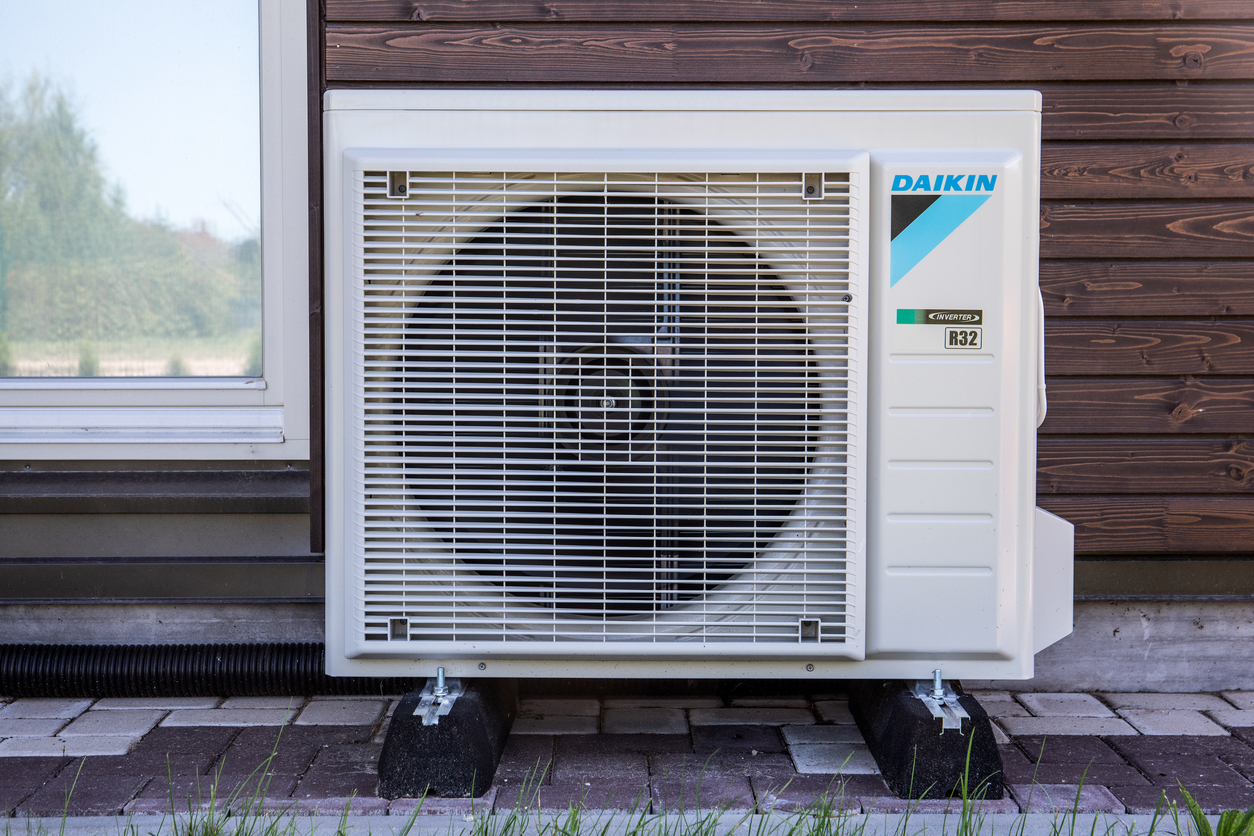
Personalized HVAC Settings for the Perfect Indoor Climate
Hey LA, let's talk about making your HVAC system as unique as your fingerprint. Customizing your HVAC settings is like having a personal climate concierge. Whether you're chilling in Venice Beach or cozying up in the Hollywood Hills, your system can adapt to your lifestyle and preferences. Here's the lowdown on tailoring your HVAC for that perfect indoor vibe:
- Optimum cooling and dehumidification for those sizzling summer days.
- Energy-efficient heating when the temps take a dip.
- Two-in-one temperature control with heat pumps for year-round comfort.
- Convenient temperature scheduling with programmable thermostats.
Remember, it's not just about the temperature. It's about creating an environment that's comfortable, cost-effective, and totally tailored to you.
And the best part? You can manage all this cool tech from the palm of your hand. With smart controls, you're the master of your domain, tweaking settings from anywhere, anytime. So go ahead, set the scene for your ideal indoor climate and let your HVAC do the heavy lifting.
Adapting to Microclimates: HVAC Solutions for Every LA Nook
LA's a patchwork quilt of microclimates, and your HVAC should be just as unique. From the sun-soaked beaches to the urban sprawl, each area demands its own comfort strategy. Customizing your HVAC to your specific nook of LA isn't just smart; it's essential for year-round comfort.
- Coastal breezes? Opt for a system that dehumidifies as it cools.
- Valley heat? Your AC will need extra oomph for those scorching days.
- Hilly terrain? Consider zoning systems to manage varied indoor climates.
With the right setup, you can keep your cool, no matter what LA throws at you.
And hey, speaking of cool, have you heard about the Tesla Solar Roof? It's a game-changer for energy production, especially in our sunny city. These glass and steel tiles are not just tough; they're pretty too, blending with your home's aesthetic. Plus, with the Tesla Solar Inverter and Powerwall, you're covered during outages. Want to get the full scoop? Schedule a consultation for a custom design that suits your home to a T.
Smart Controls: Managing Your HVAC from Anywhere
Smart controls can help homeowners adjust thermostat schedules, review alerts and monitor comfort settings when the installed equipment is compatible. They should be used as part of a broader HVAC plan, not as a shortcut around correct sizing, airflow or maintenance.
Useful smart-control checks include:
- Schedule review: match thermostat settings to occupancy, weather and comfort goals.
- Alerts: use system alerts as a reason to inspect filters, airflow or equipment performance.
- Energy review: compare thermostat data with utility bills, not standalone app claims.
Smart controls work best when paired with properly sized equipment, clean filters, good ductwork and realistic comfort settings.
Before installing a new thermostat, confirm compatibility with the HVAC equipment, heat pump stages, wiring and any utility or rebate requirements.
The Inside Scoop: Optimizing Indoor Air Quality Year-Round

Breathe Easy with Advanced HVAC Filtration Systems
When it comes to HVAC and indoor air quality, nothing beats a solid game plan that includes advanced air filtration systems. These systems are the unsung heroes that keep the sneeze-inducing stuff at bay, ensuring every breath you take is nothing but crisp, clean air.
With the right setup, your HVAC system can trap all sorts of airborne nasties, from dust mites to pollen, and even those pesky cooking odors that linger way longer than they're welcome.
Here's a quick rundown of what you might consider for your LA home:
- High-Efficiency Particulate Air (HEPA) Filters: These bad boys can capture particles as small as 0.3 microns!
- Activated Carbon Filters: Great for nixing odors and gases.
- UV Germicidal Lights: Zap bacteria and viruses into oblivion.
- Electrostatic Filters: They use static electricity to grab even the tiniest of particles.
Remember, maintaining your HVAC system isn't just about staying cool or warm; it's about creating a healthy living space. Regular check-ups and filter changes are a must—don't skimp on them!
Monitoring Air Quality: The Key to a Healthy Home
Ever thought about what's floating around in the air inside your home? Spoiler alert: It's not just dust bunnies. Monitoring your indoor air quality (IAQ) is like having a fitness tracker for your home's health—and it's a game-changer for your well-being.
Before you dive into buying a fancy air quality monitor, consider this: an air quality index (AQI) app might just do the trick for a quick check. But if you're serious about keeping tabs on your IAQ, here's a quick rundown of what to look for in a top-notch monitor:
- Sensitivity: Can it detect the sneaky stuff like VOCs and fine particles?
- Data Tracking: Does it keep a history of your air quality readings?
- Connectivity: Can you peek at your air stats from your smartphone?
Remember, a solid IAQ game plan isn't just about reacting to bad air days. It's about being proactive—regular HVAC maintenance, like swapping out filters and calibrating your thermostat, can keep those air quality scores high and your sneezes low.
And hey, while you're at it, why not go the extra mile? Integrating smart tech can help you manage your energy and keep your home comfy—without breaking a sweat or the bank.
HVAC Maintenance Tips for Allergy-Free Living
Hey LA, let's talk about keeping those sniffles at bay with some savvy HVAC maintenance. Regular filter replacement is your first line of defense against allergens. Think of it as your HVAC's mask against the dust and pollen invaders. Now, don't just stop at any filter—upgrade to a higher-quality one that can trap those tiny particles looking to crash your air party.
Next up, let's dive into some ventilation tips. Good airflow is like a breath of fresh air for your home—literally. It's all about balance; you want to keep the bad air out and let the good vibes in. Here's a quick checklist to keep your ventilation on point:
- Monitor the humidity levels; too much moisture invites mold to the party, and nobody wants that guest.
- Have your heater vents cleaned regularly; it's like a spa day for your HVAC, and it'll thank you with better performance.
- Change out those air filters as needed; don't wait for the change filter light to start blinking at you like an ignored text message.
Remember, a well-maintained HVAC system doesn't just keep you cool or warm; it's your silent guardian against allergens. So show it some love!
And here's the kicker: all these steps not only help you breathe easier but also keep your system running efficiently. That's like hitting two birds with one stone—except no birds get hurt, and you get to enjoy an allergy-free home and a happy HVAC system.
Helpful HVAC, Solar, and Battery Resources
- Instant HVAC estimate in Los Angeles
- Heat pump installation in Los Angeles
- AC installation and repair
- Solar panel installation in Los Angeles
- Tesla Powerwall installation in Los Angeles
Wrapping It Up: Stay Cool and Collected in LA's Climate
As we've journeyed through the ins and outs of prepping your HVAC system for the rollercoaster that is Los Angeles weather, remember that staying ahead of the game is key. From harnessing the power of the sun with solar energy storage to ensuring your system is up to snuff with regular tune-ups, there's a lot you can do to keep your home comfy no matter what Mother Nature throws your way. And hey, if things get too hot to handle or you're left in the cold, know that solutions like Tesla's Powerwall and expert HVAC services are just a call away. So, keep these tips in your back pocket, and you'll be all set to ride out LA's weather extremes with a breeze.
Frequently Asked Questions
How can I use solar energy to support HVAC planning in Los Angeles?
Solar can be reviewed alongside HVAC, heat pumps and batteries, but it should be modeled from actual usage, roof production, rate plan, electrical capacity and backup priorities. Battery storage may support selected loads during outages only when the approved design includes those loads.
What are the benefits of upgrading to an energy-efficient HVAC system?
A correctly sized high-efficiency HVAC system may improve comfort and reduce energy waste when matched with the home’s ductwork, airflow, controls and installation quality. Actual bill impact depends on usage, rates, equipment, home envelope and maintenance.
How can I plan HVAC support during a power outage?
Start by deciding whether HVAC should be backed up or whether the battery should prioritize essentials such as refrigeration, internet, lights and medical equipment. HVAC backup depends on equipment size, battery capacity, reserve settings, solar recharge and electrical design.
Can I customize my HVAC settings for Los Angeles microclimates?
Yes. Zoning, thermostat settings, airflow balancing, ductwork and equipment sizing can help adapt comfort to coastal, valley, hillside and older-home conditions. Final settings should be based on the installed equipment and the home’s real comfort issues.
What can I do to improve indoor air quality with my HVAC system?
Review filter type, MERV rating, return-air capacity, duct leakage, ventilation, humidity and maintenance schedule. Some homes may benefit from upgraded filtration or IAQ accessories, but the right solution depends on the existing system and household needs.
How can smart controls help manage my HVAC system?
Compatible smart controls can help manage schedules, alerts and thermostat behavior. They do not replace correct sizing, airflow, filter maintenance or service. Review compatibility with your HVAC equipment before installing a new control.
Plan your home energy project with one team
Compare scope, equipment and utility rules in a single written plan built around your address.
Start My Home Plan