

On this page
Los Angeles & Orange County
Explore how Home Upgrade Specialist plans and documents HVAC, solar, roofing, Tesla Solar Roof, battery backup and EV charger projects — the scope, the site-specific planning decisions, and the completed work.
For privacy, published case studies may omit exact addresses, customer names and other identifying details. Final recommendations always follow an in-home or virtual assessment.
Prefer to talk? (833) 446-6387

Featured Projects
Real published HUS project material — each feature links to the page that documents it, and every photograph belongs to the work it appears with.
REC Solar Panel Installation
A completed REC panel installation documented with project photos and video on its case-study page — roof layout planning and mounting-rail installation through panel placement and permit coordination.
View Project
Tesla Solar Roof Installation
Drone photography of a completed HUS Tesla Solar Roof installation. The Solar Roof page carries this project photography along with the current 2026 availability review.
View Project Photography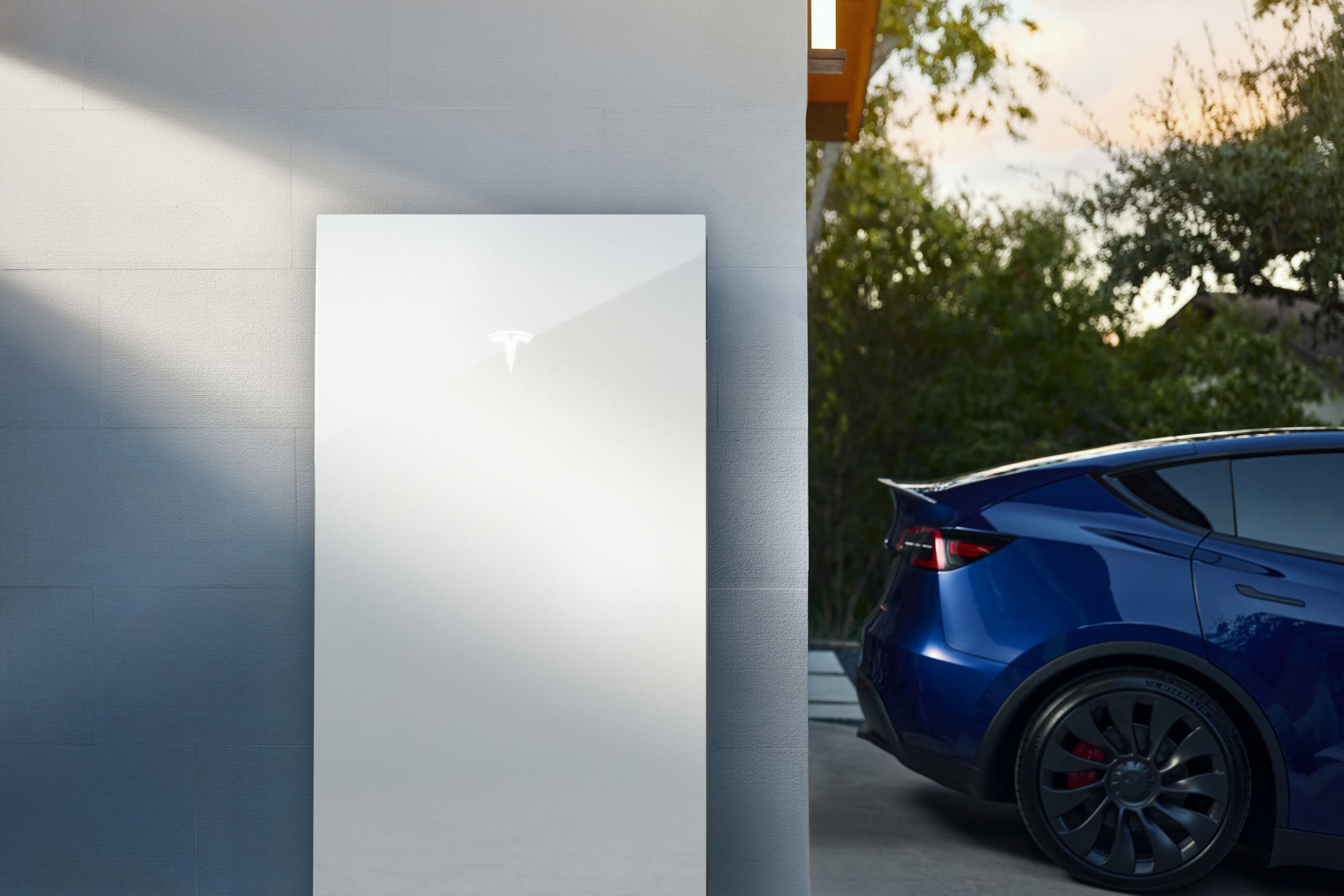
Tesla Powerwall 3 Backup Power
Installation photography from completed HUS Powerwall 3 backup-power work. The Powerwall page pairs it with backup-load planning and SGIP context for LADWP and SCE homes.
View Project PhotographyMore individual project pages are featured here as they are published. Photography is never reused across different projects, and no results, savings or timelines are claimed on this page.
Explore by Service
Planning resources by trade — these are service guides, not individual project reports.
What You’ll Learn From Each Project
Every published case study follows the same practical structure, so you can compare a documented project against your own home.
Comfort, backup power, roof replacement, EV readiness, or lower dependence on utility power.
Roof age, panel capacity, HVAC condition, shading, or equipment placement constraints.
Selected system, related upgrades, and the planning logic based on the property.
Permits handled, utility coordination, installation sequence, and inspection milestones.
Helpful planning points for homeowners considering a similar project — including the tradeoffs behind product and layout choices.
Case studies are educational reference points, not guarantees of savings, timelines, permit approvals or financing outcomes. Your home needs its own assessment.
Planning More Than One Upgrade?
Many projects start with one trade and end up sequencing several — a roof nearing the end of its life affects solar timing, a battery plan influences electrical work, a heat pump changes expected energy use, and an EV charger adds future load that should be considered before final design. Not every project includes every trade; the point is to check the connections before committing.
- Evaluate roof age and condition before committing to solar placement.
- Confirm main electrical panel capacity early — it shapes battery, heat pump and EV options.
- Design around future plans such as EV ownership or electrification, not just past utility bills.
- For battery backup, protected-load planning matters as much as battery size.
For broader planning help, see Home Energy University, the multi-trade contractor comparison guide and the warranties and protection plan resources. Incentive, rebate and program eligibility (SGIP, NEM 3.0, LADWP, SCE) changes — verify current rules for your project.
Credentials & Independent Reviews
Licensed California contractor — CSLB #1031989 (C20 HVAC) and CSLB #1055444 (B General Building). Serving Los Angeles County and Orange County with permit coordination in the written project scope. Financing may be available on approved credit; Home Upgrade Specialist is not a tax advisor, and rebate, tax, utility and incentive details should be verified against current rules and eligibility.
Independent review platforms




Manufacturer & industry credentials



 Review platforms don’t endorse contractors — read the reviews and decide for yourself.
Case Study FAQ
Are these exact customer stories?
Some published case studies may describe real project types while omitting names, dates, and exact addresses for privacy. In some situations, details may also be generalized so the educational value remains clear without exposing identifying information.
Do case studies show exact savings or rebate amounts?
No. Any savings, rebate, or incentive outcome is project-specific and subject to eligibility and current program rules. Energy usage patterns, system operation, weather, utility tariff changes, and homeowner behavior can all affect results.
Can one case study tell me what my home needs?
Not fully. Case studies are helpful reference points, but final recommendations require an in-home or virtual assessment. Measurements, photos, load evaluation, roof condition, and electrical review all matter.
What should I prepare before requesting an estimate?
It helps to gather recent utility bills, note any comfort problems, identify known roof or electrical concerns, and think about future plans such as EV ownership, remodeling, or backup power priorities. The more context you can provide, the more useful the initial discussion will be.
Let’s Plan Your Home Upgrade
Compare your options with a project-specific review — HVAC, solar, roofing, battery backup or EV charging, planned together by one coordinated Los Angeles team.
Request a Free EstimateOr call (833) 446-6387
Plan your home energy project with one team
Compare scope, equipment and utility rules in a single written plan built around your address.
Start My Home Plan