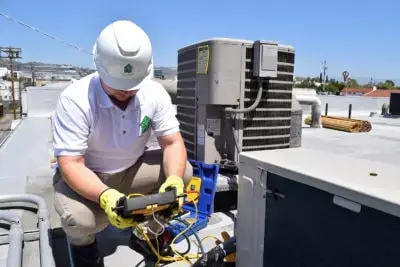
Ductless mini-split installation cost in Los Angeles depends mainly on zone count, equipment type, electrical capacity, permit scope, and how difficult it is to route refrigerant lines and drains. For many homeowners, a mini-split is a strong fit for an ADU, garage conversion, room addition, older home without good ducts, or a house with stubborn hot and cold spots. For whole-home replacements, the right answer is not always ductless. Some properties are better served by a ducted heat pump system if the ductwork is still in good shape. Home Upgrade Specialist, Inc., CSLB #1031989 / #1055444, serves Los Angeles and surrounding Southern California areas and recommends final sizing and system design only after an in-home or virtual assessment.
For ADUs in Los Angeles County, ductless mini-splits are often one of the simplest HVAC options because a dedicated heat-pump zone can heat and cool the unit without extending the main home's duct system. The final design still depends on ADU size, insulation, window exposure, electrical capacity, indoor-unit placement, condensate drainage and the local permit path.
If you are comparing comfort options in LA, mini-splits stand out because they deliver efficient heating and cooling without opening walls for full duct installation. They are quiet, flexible, and well suited to Southern California homes where layouts, age, and remodeling history vary from block to block. This guide explains what affects cost, when ductless makes sense, how zone planning works, what installation involves, and how to think about permits, financing, and current rebate eligibility before you sign a contract.
The first pricing question is usually, “How many zones do I need?” A zone is one indoor unit, often called a head, connected to an outdoor condenser. Single-zone systems are usually simpler and lower in cost. Multi-zone systems add flexibility, but they also add equipment, labor, electrical coordination, and line-set routing complexity.
Cost variation usually comes from line-set length, access conditions, condensate drainage, indoor unit style, and electrical work. A wall-mounted head is often the simplest option. Ceiling cassettes, floor consoles, and concealed slim-duct units can be appropriate, but they typically increase both equipment and labor requirements. Homes with crowded or outdated panels may also need added electrical work before a mini-split can be installed safely and legally.
Mini-splits are not just for one type of property. In Los Angeles, they work especially well where traditional ductwork is missing, damaged, or impractical to add. They also solve comfort problems that a single central thermostat cannot handle well.
A strong fit when a detached or converted space needs independent comfort without extending the main house system.
Adding square footage can overwhelm an older central system. A dedicated zone often avoids airflow and sizing problems.
Upstairs bedrooms, sun-exposed rooms, and back additions often benefit from targeted zone control.
Mini-splits can reduce the need to open plaster walls or drop ceilings just to add ducts.
Another common use case is replacing a failing central system when the existing ductwork is old, leaky, or poorly sized. In that situation, a multi-zone heat pump mini-split may be worth comparing to central replacement. On the other hand, if your ducts are relatively sound and the goal is to condition the entire house evenly, a central heat pump or traditional split system may be the better long-term solution. Homeowners comparing both options can review HVAC services in Los Angeles and request side-by-side recommendations.
Most mini-splits installed today are heat pumps, which means one system provides cooling in summer and heating in winter. That matters in Southern California, where many homeowners want lower energy use, cleaner electric heating, and room-by-room control. Variable-speed inverter technology lets these systems adjust output gradually instead of cycling hard on and off, helping maintain steadier temperatures and quieter operation.
Brand selection should match the space, not the other way around. Mitsubishi, Daikin, Fujitsu, and LG all offer strong ductless options in the Los Angeles market. Differences usually show up in efficiency ratings, available indoor unit styles, noise levels, controls, and warranty terms. Mitsubishi M-Series systems are widely recognized for reliable performance. Daikin often appeals to homeowners focused on warranty value. Fujitsu can be a practical option for value-conscious projects, while LG offers solutions that can suit larger or more complex layouts. Final product matching should be confirmed during the estimate so sizing, line lengths, and compatibility are all reviewed together.
A proper installation is about more than hanging an indoor head on the wall. The outdoor condenser needs adequate airflow and code-compliant placement. Refrigerant lines and communication wiring must be routed carefully, often inside protective line-hide covers or through attics and crawlspaces. The installer also has to plan for condensate drainage, either with gravity flow or, when required, a condensate pump.
Electrical is another major decision point. Mini-splits generally require a dedicated 220V circuit and an exterior disconnect. If your main panel has no open capacity, panel work may become part of the job. Because of this, photos of the existing panel and intended condenser location are helpful before pricing is finalized.
Permits matter too. In Los Angeles, legal HVAC installations typically require permits and final inspection. That protects safety, supports code compliance, and may matter for warranty documentation and future property transactions.
Rebate and tax-credit planning should be handled carefully. Program rules change, utility territories differ, and eligibility may depend on equipment match, household details, contractor participation, and funding availability at the time of application. Before assuming an incentive applies, review current program status for LADWP heat pump incentives, SCE heat pump rebate eligibility, Los Angeles rebate stacking, and available HVAC financing. Tax treatment should always be confirmed with a qualified tax professional.
Ask us these questions, too. Compare the rooms covered, exact equipment and complete installation scope before comparing prices.
Final cost depends on the indoor and outdoor equipment, zone count, refrigerant-line routing, electrical work, drainage, access and permits. Request the gross installed price before conditional incentives, and identify what is included, an allowance, optional or excluded. Do not compare a single-room equipment price with a permitted multi-room installation as though they cover the same work.
Do not assume so. A wall-mounted unit conditions the space its airflow reaches; closed doors and separate room loads can limit distribution. Ask for a room-by-room assessment, indoor-unit locations and a clear list of rooms included in the comfort design. Compare multiple zones or a suitable ducted option when separate bedrooms need independent coverage. Zone count alone does not determine equipment capacity.
Ask how the quote treats additional line length, line covers, condensate pumps, new circuits, panel work, difficult access, wall repairs, painting, permits and required testing. These items are not automatically excluded from HUS proposals; their treatment must be stated in your specific scope. Request written pricing or an agreed method for site-dependent work before approving changes.
Eligibility is not established by the brand alone. Verify the matched model numbers, applicable AHRI certificate, efficiency ratings, utility account and current program requirements. Ask whether the incentive is an estimate, a reservation where required, or an approved payment. A qualifying product does not by itself establish household eligibility or available funding. See the LADWP heat-pump rebate guide and verify the utility's own rules.
Compare both when the existing system serves most rooms adequately, usable ducts remain, or only one room has a problem. A targeted airflow repair may be appropriate after diagnosis. For an ADU or a space without practical duct access, a dedicated mini-split may be worth evaluating. Neither approach is universally cheaper or better; compare the same comfort goals, maintenance access, controls and written warranty.
Prepare your request: identify the property city, rooms or ADU to be served, approximate room sizes, current equipment and desired timing. Share equipment and panel photos only from a safe location without removing covers. Request a mini-split estimate; describe the zones in your project details. Appointment timing and final scope require team confirmation.
Check the evidence: DOE quality-installation guidance, LADWP program documentation, and the installation manual for the exact proposed system. For a shareable comparison, use the homeowner decision toolkit.
Home Upgrade Specialist can review your layout, zone count, electrical setup, and rebate options, then recommend whether a ductless mini-split or central system is the stronger fit. Call (833) 446-6387 or start online for a free estimate.
HOME UPGRADE SPECIALIST
Compare heating and cooling options for your home.
