
On this page
There's something magical about Los Angeles winters—crisp mornings, cozy evenings, and just enough chill to justify a fuzzy blanket and a warm cup of tea. But if your heater is older than your favorite classic sitcom reruns, or it only works when it feels like it, it may be time for a professional heater replacement.
Living in Southern California, mild winters certainly don't mean "no heat needed." When temperatures drop into the 40s and 50s at night, a properly chosen, appropriately sized heating system can make all the difference in your daily comfort, your monthly energy bill, and your comfort goals and energy-use planning. Whether you're upgrading a broken-down, outdated gas dinosaur or simply looking to save on utility costs by electrifying your home, Home Upgrade Specialist, Inc. is here to guide you through the process. As a licensed Los Angeles home-upgrade contractor (CSLB #1031989 / #1055444), we specialize in helping homeowners navigate the unique HVAC demands of our local climate.
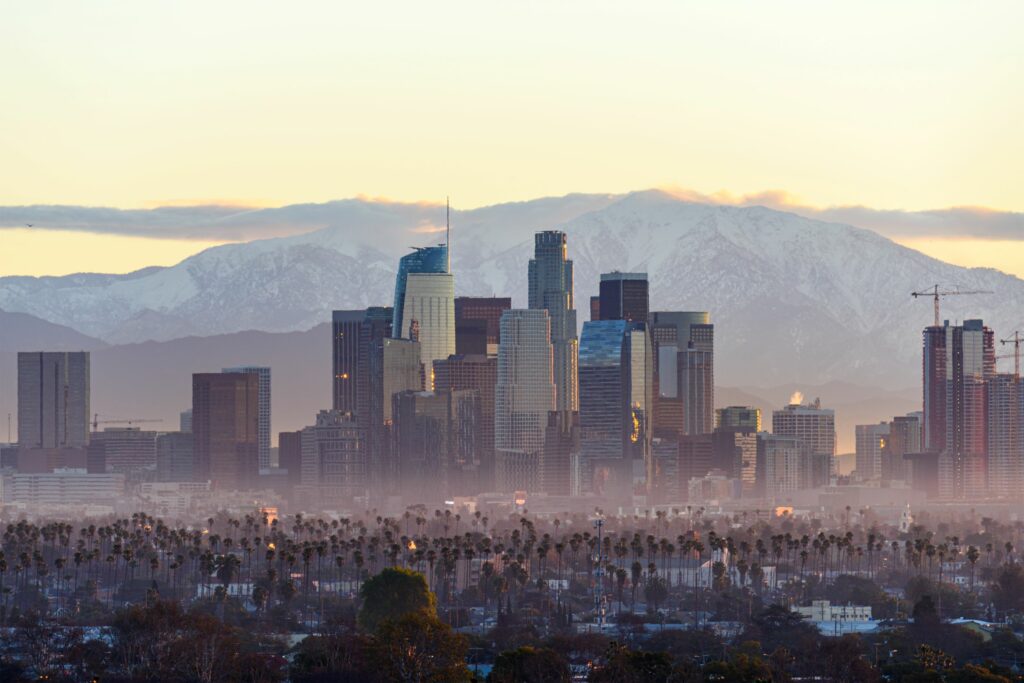
Let's explore what makes a heater appropriate for a city where winters are relatively short but still absolutely call for cozy, reliable warmth.
 Heater Replacement[/caption]
When "Good Enough" Isn't Really Good Enough
Just because your old heater technically turns on doesn't mean it's doing the job efficiently—or safely. Older HVAC units may struggle to keep up during unexpected cold snaps, create uneven temperatures between rooms, or increase electric or gas bills depending on usage, rates and equipment condition due to failing components. Replacing old heaters in Los Angeles is often a matter of balancing high performance with everyday practicality.
Newer heating systems may offer updated technology, lower energy use, filtration options, and quieter operation when properly selected, installed and maintained for LA's coastal and valley microclimates. And let's be honest—no homeowner wants to hear rattling vents, feel cold drafts, or smell burning dust every single time the evening temperature drops below 60 degrees.
The Repair vs. Replacement Dilemma
One of the most common questions Los Angeles homeowners face is whether to repair a struggling unit or replace it entirely. While minor issues like a clogged filter or a faulty thermostat are simple fixes, major component failures—such as a cracked heat exchanger or a dying blower motor—often warrant a complete replacement. Investing heavily in a deteriorating system rarely pays off in the long run.
Signs It's Time for a Heater Replacement
Not sure if your unit is ready for permanent retirement? Watch for these warning signs that indicate your system is reaching the end of its functional lifespan:
Advanced Age
Your central system or wall heater is more than 15 years old and requires increasingly frequent maintenance.
Spiking Bills
Your winter energy or gas bills keep climbing steadily, even though your usage habits haven't changed.
Frequent Breakdowns
You are making multiple service calls a year just to keep the unit limping along through the season.
If your unit checks off more than one of these boxes, it's worth reviewing time to consider a new heating system.
What LA Winters Mean for Heating Needs
Unlike the snowy Northeast or the icy Midwest, Los Angeles doesn't require a heavy-duty, maximum-capacity furnace capable of surviving a multi-day blizzard. The heating needs in Southern California are much more modest—but that doesn't mean they are unimportant or that any cheap unit will do.
Mild winters call for intelligent system design. You want fast response times because no one wants to wait two hours for the living room to warm up on a chilly January morning. You want smart, zoned heating options so you aren't wasting energy heating empty guest rooms. Most importantly, you need energy efficiency for quick, short heating cycles that don't overburden your electrical panel or your wallet. It is all about balance. You want consistent comfort without the expensive overkill of an oversized unit.
Indoor Air Quality and Wildfire Season
In Los Angeles, a heater does more than just warm the air; it plays a critical role in your home's Indoor Air Quality (IAQ). With our region prone to Santa Ana winds and seasonal wildfires, your HVAC system acts as your filtration support against outdoor smoke, ash, and particulate matter. Modern air handlers and furnaces can be equipped with high-efficiency filtration and air-cleaning options where compatible. When replacing your heater, reviewing the blower, filtration and indoor-unit condition helps protect airflow and indoor air quality goals.
Choosing Heating Options for Mild Climates
Selecting the right equipment is important. Depending on your home's architecture, age, and existing infrastructure, you have several excellent options for a Los Angeles home.
1. Ductless Mini-Split Heat Pumps
Mini-splits are often reviewed for Southern California homes. They are sleek, whisper-quiet, and ideal for eco-friendly home heating. These systems use electricity to transfer heat rather than burning gas, making efficiency dependent on sizing, equipment and installation quality. They offer precise, independent climate control for each room. That is useful in older homes where one bedroom is always an icebox while the living room feels like a sauna.
They are especially effective if you have recently completed a remodel, an ADU, or a garage conversion where extending traditional ductwork isn't feasible. Inverter-driven models adjust their output based on real-time temperature needs, giving you just enough warmth without wasting a drop of power.
2. Central Heat Pumps
If your home already has fully functional ductwork, a central heat pump is a option worth reviewing. By pulling ambient heat from the outside air (even when it feels cold outside) and moving it indoors, heat pumps can perform differently from resistance heating and should be compared using equipment ratings, utility rates and home conditions. Pairing an electric heat pump with solar panels or battery storage can also help homeowners use more of their own power and plan for future electrification. Our guide to a combined heat pump and solar setup in Los Angeles explains how to compare system design, utility rates, and long-term energy planning.
3. Wall-Mounted Electric Heaters & Floor Furnaces
For smaller homes, compact apartments, or historical LA bungalows, compact heating units remain a practical choice. Modern wall heaters are affordable, easy to install, and appropriate for single-room heating. Unlike older, older gas floor furnaces, which may raise comfort, safety and code-review concerns—new electric or direct-vent wall heaters take up zero floor space, may include safety features and should be reviewed against product specifications.
4. Central Gas Furnaces with High AFUE Ratings
If you prefer to stick with natural gas, modern central gas furnaces should be compared with older models using AFUE rating, condition and installation scope. Look for energy-efficient heater models boasting high AFUE (Annual Fuel Utilization Efficiency) ratings of 90% or higher. High AFUE means the rating estimates how much fuel is converted into usable heat under standard test conditions.
Factors to Consider Before Replacing Your Heater
Home Size, Layout, and Ductwork
Open-plan homes with vaulted ceilings often require systems with higher airflow capacity to push warm air downward. Conversely, small, heavily partitioned homes benefit greatly from zoned systems. However, a new heater is only as good as the ductwork it relies on. Connecting a high-efficiency heater to old, leaky, uninsulated ducts is a common mistake that wastes conditioned air depending on leakage and duct condition. A thorough inspection of your existing air handlers and ductwork is a important step in our replacement process.
Upgrading Older Los Angeles Homes
Los Angeles is famous for its beautiful 1920s Spanish Revivals and mid-century modern homes. Unfortunately, these older homes frequently lack modern wall insulation, making them notoriously difficult to heat evenly. When upgrading outdated systems in historical properties, a simple "like-for-like" swap isn't always the right answer. A proper Manual J load calculation ensures the new system is appropriately sized for the home's specific thermal profile, accounting for original windows and plaster walls.
Energy Efficiency and Smart Tech Goals
If you are looking to green your home, prioritizing systems with ENERGY STAR certification, variable-speed inverter technology, or hybrid functionality is an reasonable way to approach upgrading outdated heaters without hurting the planet or your wallet. Combine your new system with a smart thermostat for intelligent heater control, allowing you to monitor and adjust your home's climate directly from your smartphone while you are stuck in traffic on the 405.
Safety, Permits, and LA Regulations
Heater replacement in Los Angeles is not a casual weekend project; it is a highly regulated structural upgrade. The City of Los Angeles enforces strict building codes to ensure community safety. Depending on the scope of the upgrade, you will likely need mechanical permits, and the installation must comply with California's Title 24 energy efficiency standards. Title 24 compliance often involves specialized duct testing and verifying that the equipment meets stringent performance criteria.
Working with a licensed, bonded, and insured contractor like Home Upgrade Specialist ensures that permit responsibility is documented, all electrical and gas connections are appropriately secure, and your system moves through required inspection steps. Attempting to bypass these regulations can result in resale and inspection issues, warranty documentation issues, and safety and documentation issues.
The Installation Timeline
We respect your time and your property. While every project is unique, a standard heater replacement usually follows a clear path:
- Day 1 (Assessment): A comprehensive in-home or virtual assessment to evaluate your space, measure your current system, and discuss your comfort goals.
- Permitting: We coordinate applicable documentation, submitting required documentation to the city for approval.
- Install Day: Our technicians review the project scope, protect your floors and furniture, safely remove and dispose of the old unit, install the new system, calibrate the thermostat, and test for airflow and startup details. Clean-up is meticulous.
🤔 FAQ: Heater Replacement in Los Angeles
Can you replace a heater yourself to save money?
It is generally not recommended because heater replacement involves electrical, gas, permit and inspection considerations. Heater replacement involves managing high-voltage electrical connections, natural gas line considerations, and navigating complex local building codes. Improper installation can create performance, safety, inspection, warranty and resale documentation issues. Licensed professionals ensure the system is reviewed for sizing and documented under applicable permit requirements. While a DIY approach might seem cheaper upfront, it frequently leads to incredibly costly repair or correction work. Review the scope with a certified HVAC technician for any replacement work.
How loud are modern heating systems compared to older ones?
Modern heating systems are often quieter than older models thanks to advanced engineering, better cabinet insulation, and variable-speed blower motors. While older units may hum loudly, rattle vents, or roar to life when kicking on, today's energy-efficient models often operate at lower operating noise depending on model and installation. Ductless mini-splits are particularly quiet, often operating at low operating noise levels depending on model and settings.
Will I need to replace my ductwork, too?
Not necessarily, but ductwork should be reviewed for leakage, sizing, insulation and airflow. If your existing ducts are well-sealed, properly sized for the new air handler, and free of mold or heavy debris, they can often be reused. However, if they are crushed, torn, or severely leaking, installing a brand-new heater without replacing or sealing the ducts will limit the efficiency of your new investment.
Are there rebates available for upgrading?
Potential incentives may be available through utility or state programs, especially for qualifying heat pump projects, but approval is never guaranteed. Start with our LADWP heat pump rebate planning guide and review heat pump rebate availability. Home Upgrade Specialist can help review equipment documentation, utility territory, AHRI matching, and program assumptions. Tax questions should be confirmed with a qualified tax professional.
📚 Want More Tips on Smart Home Heating?
Heater replacement is just one vital piece of the complete home comfort puzzle. If you are curious about installation day preparations, complementary energy-saving upgrades like insulation and exterior paint, or other essential HVAC insights, don't stop here. Check out the other comprehensive articles on our blog for expert advice on making your Southern California home more comfortable, often efficient, and entirely future-ready—one smart system at a time.
🔧 Review Heater Replacement Options—The Right Way
If you are tired of battling inconsistent heat, rattling vents, or higher winter energy bills, now is the time to act. The right heater replacement can be reviewed against comfort goals, energy use, equipment condition and budget.
Final recommendations and accurate pricing require an in-home or virtual assessment. Reach out to Home Upgrade Specialist today. We will evaluate your space, clearly explain your options, and coordinate applicable installation steps, permits, startup checks and documentation under the approved scope.
Call (833) 446-6387 for a Free EstimateLicensed & Bonded • CSLB #1031989 / #1055444 • Serving Southern California
Plan your home energy project with one team
Compare scope, equipment and utility rules in a single written plan built around your address.
Start My Home Plan