
On this page
Home Upgrade Specialist provides Tesla Powerwall installation in Los Angeles for homeowners who want stronger solar self-consumption, better outage preparedness, and a cleaner whole-home energy strategy. This guide focuses specifically on Powerwall 3 cost factors, battery sizing, backup loads and installation planning. A well-designed battery project should review solar production, utility territory, backup goals, electrical panel capacity, installation location, code requirements, and any current rebate or incentive rules before a final proposal is approved.
We provide Tesla Powerwall 3 installation and battery-backup planning throughout Los Angeles County and Orange County. Local planning guides are available for Beverly Hills, Santa Monica, Bel Air, Brentwood, West Hollywood, Culver City, Malibu, Calabasas, Sherman Oaks, Studio City, Encino, and Tarzana. We also serve Pasadena, Burbank, Glendale, Long Beach, Torrance, Anaheim, Inglewood, Downey, Whittier, El Monte, Norwalk, Huntington Park, Pico Rivera, Commerce, Alhambra, South Pasadena, La Mirada, San Gabriel, Redondo Beach, Hermosa Beach, Manhattan Beach, Carson, Garden Grove, Buena Park, and Santa Ana.
As an installer with Tesla Solar Panels + Powerwall installation experience, Home Upgrade Specialist helps homeowners compare battery storage options with practical planning around permits, inspections, solar integration, utility documentation, and long-term home energy use. For solar, roofing, and battery work, our CSLB license is #1055444. Final recommendations should always be based on a project-specific site assessment.
Helpful planning paths include our home battery estimate in Los Angeles, Tesla Powerwall cost guide, Powerwall backup planning guide, Tesla Gateway and backup load panel guide, Powerwall 3 vs Enphase battery comparison, Tesla Solar Roof Los Angeles 2026 cost and installer guide, and Tesla Home energy management overview.
Why many Los Angeles homeowners are considering Powerwall 3
Tesla Powerwall 3 is a popular solar battery option because it combines energy storage, backup capability, and an integrated inverter in one system. That design may simplify planning for some homes, especially when compared with older setups that rely on multiple separate components. The right layout still depends on the home’s electrical equipment, solar array, backup priorities, utility interconnection requirements, and available wall space.
Interest in battery storage has grown in Los Angeles for several practical reasons. Utility rate structures can make evening electricity more expensive, summer demand can strain the grid, and some neighborhoods are more conscious about outage resilience than ever before. Homeowners are also thinking beyond immediate bill savings. Many want more control over when their solar energy is used, how much power is exported, and what parts of the home remain operational during a disruption.
13.5 kWh capacity
This storage capacity can help homeowners use more of their own solar production instead of sending as much energy to the grid.
Integrated inverter
A built-in inverter may streamline solar-plus-storage design, depending on whether the home has new or existing solar equipment.
Automatic backup power
When installed in a proper backup configuration, the system can switch over during grid outages without manual intervention.
Time-based control
Stored energy may be used during higher-rate periods, which can be valuable under time-of-use utility plans.
For example, a homeowner in Pasadena with daytime solar overproduction may want a battery mainly to cover evening use after sunset, while a family in the South Bay may prioritize outage coverage for refrigeration, Wi-Fi, lights, and a home office. A larger house in Glendale with central air conditioning and EV charging may evaluate multiple Powerwall units because the load profile is very different. These examples show why Powerwall 3 is not just a product decision. It is a system design decision tied to lifestyle, utility costs, and electrical demand.
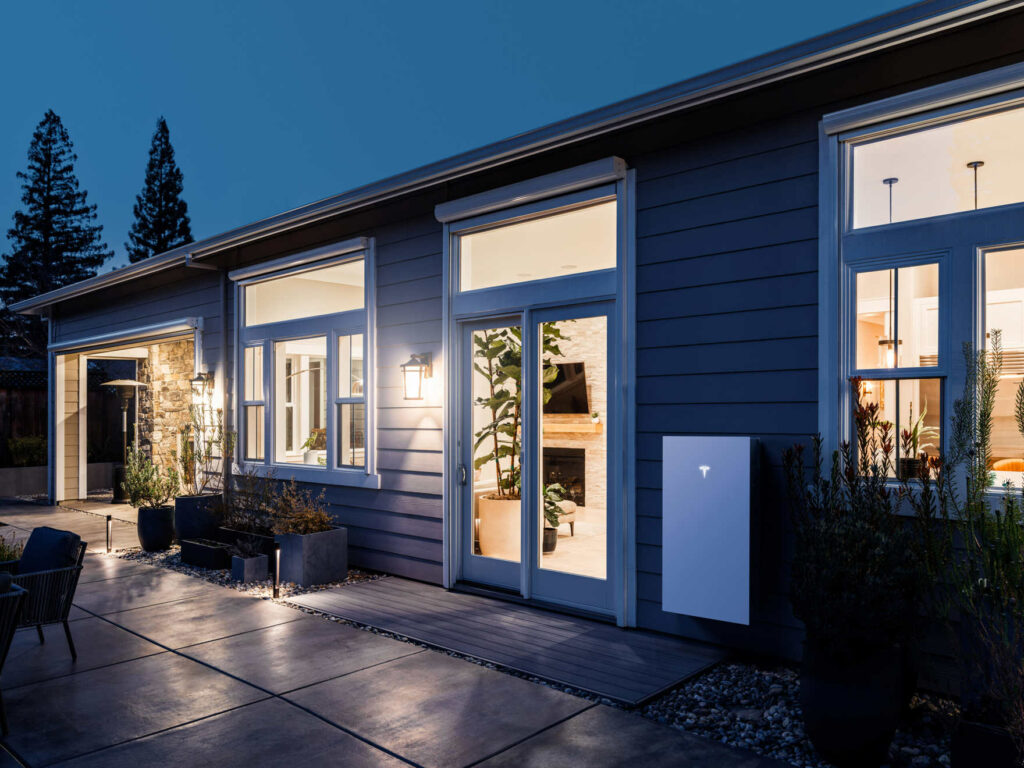
Powerwall 3 may be installed indoors or outdoors, subject to site conditions, required clearances, weather exposure, wall structure, routing, and local code. That is why a real design review matters more than a one-size-fits-all quote.
How Powerwall 3 fits solar storage and backup planning
For many Southern California homes, the value of battery storage is tied to how and when electricity is used. A battery can store excess solar energy during the day and make that energy available later in the evening, when the home is still active but solar production has dropped. This can support self-consumption and may reduce reliance on utility power during peak periods.
Battery storage is also part of outage planning. Some homeowners want only essential circuits backed up, such as refrigeration, lighting, internet, medical equipment, and selected outlets. Others want broader coverage that may include air conditioning, larger appliances, or multiple subpanels. The design approach changes depending on those goals, along with the home’s service size and load profile.
Homeowners comparing storage should review the battery together with solar production, expected seasonal performance, utility rate plan, and any future electrification upgrades. For example, adding an EV charger, heat pump water heater, induction range, or central heat pump later can change how much battery capacity makes sense.
A useful planning approach is to break the project into three questions. First, how much solar energy is available to charge the battery on an average day? Second, how much electricity does the home use during the late afternoon, evening, and overnight hours? Third, what loads need to remain available if the grid goes down? When those questions are answered clearly, it becomes easier to compare whether a single battery, multiple batteries, or a staged installation plan makes more sense.
Consider two simplified examples. One homeowner in Santa Monica works from home, has moderate electricity use, and mostly wants resilience for networking equipment, lighting, kitchen circuits, and a garage outlet. Another homeowner in Anaheim has two EVs, a pool pump, and a larger cooling load. Both may be interested in Powerwall 3, but their recommended setup could be very different because backup priorities, daily consumption, and recharge needs are not the same.
Powerwall 3 planning checklist for Los Angeles homes
Before installation, homeowners should understand the planning items that affect design, permit approval, and overall system usefulness.
Home Upgrade Specialist also reviews internet connectivity for monitoring, main panel and subpanel layout, utility service details, and whether load management may be needed for larger homes.
A simple step-by-step planning process can help homeowners prepare for a more accurate proposal. Step one is gathering 12 months of electric bills and any solar monitoring history. Step two is making a list of must-have outage circuits and optional circuits. Step three is noting future equipment plans, such as EV charging or a heat pump conversion. Step four is identifying possible installation walls, nearby panels, and access paths for conduit. Step five is reviewing the installer’s scope carefully to confirm whether the proposal includes panel work, utility coordination, permit fees, and backup configuration details.
This checklist is especially useful for older Los Angeles homes where electrical systems may have been modified over time. A house with legacy subpanels, undocumented solar changes, or limited wall space may still be a good battery candidate, but the design process should be more deliberate. Good upfront documentation reduces surprises later in permitting or installation.
LADWP, SCE, NEM 3.0, and local battery planning
Battery decisions in Los Angeles are closely tied to utility territory. Homes served by LADWP and homes served by Southern California Edison may face different interconnection processes, documentation requirements, and rate structures. Final details can change, so homeowners should verify current utility rules before relying on a specific timeline or operational assumption.
NEM 3.0 has made battery storage a more common topic in California solar planning because exporting excess solar to the grid may be less valuable than using that energy later at home. Under this kind of framework, a battery can help shift daytime production into the evening. The actual benefit depends on your system size, usage habits, and utility billing structure.
For homes with existing solar, adding Powerwall 3 may require a review of inverter compatibility, permit history, original one-line diagrams, and utility documentation. Some systems may be relatively straightforward to update, while others may require redesign or equipment changes. Homes without solar can coordinate battery planning with solar panel installation in Los Angeles so both systems are designed together.
When reviewing a proposal, ask how the installer expects the battery to operate under your specific utility plan, whether whole-home backup is realistic, and whether any service upgrades or panel work may be necessary.
As a practical example, an LADWP customer with strong daytime solar generation might be focused on maximizing self-use and reducing evening purchases, while an SCE customer under a time-of-use plan may be particularly interested in avoiding expensive peak-hour consumption. In both cases, the battery can play an important role, but the value calculation and operating strategy may differ. That is why battery conversations should include utility-specific assumptions rather than generic financial-outcome claims.
It is also worth discussing how your home behaves during different seasons. Summer solar output, winter cloud cover, cooling demand, and holiday usage can all affect battery performance. A design that looks strong on an annual average should still be tested against realistic high-use and low-production periods so expectations stay grounded.
SGIP, current rebate timing, and incentive caution
Many homeowners ask about rebates first, but battery incentives should be treated carefully. Programs such as California’s SGIP battery rebate planning may help eligible projects, but funding availability, reservation timing, eligibility categories, and documentation requirements can change. Home Upgrade Specialist is not a tax advisor, and homeowners should independently verify all financial assumptions before signing a contract.
A strong battery proposal should clearly identify the name of the incentive being referenced, the estimated amount, who is responsible for submitting the application, what deadlines apply, and what happens if funding is reduced or unavailable. Never assume an advertised rebate amount is guaranteed for your home.
In practice, homeowners should ask a few additional questions before relying on an incentive estimate. Is the project eligible only after certain documents are approved? Does funding need to be reserved before installation begins? Are there performance, residency, or utility-specific requirements? If a program changes mid-process, does the contract explain how pricing or timeline assumptions will be handled? These questions help avoid disappointment and support better financial planning.
- Review California's SGIP battery rebate before relying on a projected incentive.
- Compare local stacking ideas with the Los Angeles energy rebates stacking guide.
- Check broader eligibility details in the Powerwall incentive eligibility guide.
- Review a current planning overview in the Tesla Powerwall 3 rebate 2026 guide.
How many Powerwall 3 units might your home need?
There is no universal battery count that fits every home. The right number depends on backup goals, home size, solar production, electrical loads, and whether you want critical-load backup or more complete home coverage. A modest home with efficient appliances and focused backup priorities may need a different setup than a larger property with air conditioning, pool equipment, multiple refrigerators, and EV charging.
In practical terms, battery sizing starts with a load discussion. During an outage, what must stay on? What would be nice to have? What can be turned off temporarily? Those answers help determine whether one battery is enough or whether multiple units should be considered. Homes adding storage to existing solar should also evaluate whether the solar array can recharge the battery effectively year-round.
One common mistake is thinking only in terms of square footage. Two homes of the same size can have very different energy profiles. A highly efficient all-electric home with smart load control may operate very differently from an older home with aging HVAC equipment and less insulation. Likewise, a retired couple with modest evening use may need less storage than a multigenerational household with heavier nighttime demand.
A practical way to think about battery count is to rank loads by priority. Tier one might include refrigeration, lighting, communications, security, and garage access. Tier two might include selected kitchen circuits, entertainment, or home office equipment. Tier three might include air conditioning, laundry, pool equipment, or EV charging. Once those categories are mapped to actual electrical loads, the installer can better explain what one battery can reasonably support and when multiple units become the more realistic recommendation.
Helpful next-step resources include how many Powerwalls your home may need, adding Tesla Powerwall to existing solar in Los Angeles, and Powerwall 3 installation cost factors in Los Angeles. Homeowners can also compare broader battery backup estimate options when reviewing proposals.
What Home Upgrade Specialist reviews before installation
A strong Powerwall 3 proposal should start with a home-specific assessment, not a generic battery count.
Our team reviews utility bills, current solar equipment, production history when available, main electrical panels, subpanels, wall space, internet connectivity for monitoring, and the circuits you want operating during an outage. For new solar-plus-storage projects, we coordinate battery planning with roof condition and future upgrades such as heat pumps or EV charging.
We also look for design details that homeowners may not realize matter at first, such as panel labeling clarity, service equipment age, conduit routing efficiency, distance between solar equipment and battery location, and whether the home would benefit from partial-home backup or a more comprehensive approach. In many projects, these details have as much impact on outcome as the battery model itself.
For homeowners who want a broader planning overview, see our Tesla Powerwall installation guide and Powerwall home energy storage planning.
Permits, inspections, and installation expectations
Battery installations in Los Angeles typically involve permitting, plan review, installation, inspection, and utility coordination. Exact requirements vary by city, utility territory, and project scope. Homes in Beverly Hills, Pasadena, Burbank, Glendale, Santa Monica, Long Beach, Torrance, and Orange County cities may each have slightly different administrative steps.
During design, installers should evaluate mounting location, working clearances, equipment ratings, conduit routes, shutoff access, and whether panel upgrades are needed. If the project includes new solar, additional roof and electrical planning may apply. If the project adds storage to an older solar system, documentation gaps can sometimes slow review.
Installation timelines are never one-size-fits-all. Permit review speed, utility response time, equipment availability, inspection scheduling, and site complexity all affect completion dates. Homeowners should ask for a process overview, but they should avoid relying on guaranteed timelines unless every project condition is already confirmed.
In general, the process begins with a site assessment and design review. After that, the project team prepares drawings and submits permit documents. Once approvals are in place, installation can be scheduled. The physical install may include battery mounting, electrical tie-in work, conduit runs, backup gateway or related control equipment, labeling, and system testing. Then comes final inspection and any remaining utility coordination needed for permission to operate or updated interconnection records, depending on the project type.
Homeowners can help the process move more smoothly by providing access to electrical equipment, prior solar documents when available, HOA requirements if applicable, and timely responses to scheduling questions. It is also wise to ask where equipment will be placed, what cosmetic conduit options exist, whether brief planned power shutoffs will be needed during installation, and how monitoring access will be set up after commissioning.
Best practice is to treat the permit and inspection phase as part of the value of a professional installation, not as an inconvenience to rush through. A compliant design helps protect safety, future serviceability, and resale documentation. For battery systems that may remain in place for many years, careful documentation and code alignment matter.
Free estimate for Tesla Powerwall 3 installation in Los Angeles
If you are comparing backup power, solar storage, or a full solar-plus-battery upgrade, Home Upgrade Specialist can review whether Powerwall 3 is a practical fit for your home. We serve Los Angeles County and Orange County with project-specific planning for battery backup, solar coordination, utility requirements, and code-compliant installation.
As an installer with Tesla Solar Panels + Powerwall installation experience, we focus on clear scopes, realistic backup planning, and homeowner education before final approval. If you are ready to compare options, request a Free Estimate or call (833) 446-6387.
A useful estimate conversation usually includes your utility provider, whether you already have solar, how often outages affect your area, what loads matter most during an emergency, and whether you expect major electrical upgrades in the next few years. Sharing that information early helps produce a more accurate and more useful recommendation.
Before your estimate, prepare these items
- Recent electric bills or utility login access for LADWP, SCE, or your local provider.
- Photos of the main panel, subpanels, existing solar equipment, and preferred battery location.
- A short list of outage priorities, such as refrigeration, Wi-Fi, lighting, medical equipment, HVAC, or garage access.
- Future upgrade plans, including EV charging, heat pump HVAC, induction cooking, ADU work, or panel upgrades.
Common questions
Can Powerwall 3 work with solar panels? Yes, it is commonly planned with solar so daytime production can be stored and used later, including during evening peak hours or outages.
Should the electrical panel be reviewed first? Yes. Battery design should review the main panel, backup loads, utility requirements, equipment location, and possible load-management needs.
Can one battery back up the whole house? Sometimes, but not always. Final recommendations depend on electrical loads, service configuration, outage goals, and whether multiple batteries are more appropriate.
Is Powerwall 3 only for homes with frequent blackouts? No. Some homeowners install battery storage mainly for outage resilience, while others prioritize energy shifting, higher solar self-consumption, or reducing peak utility purchases.
What should I have ready before requesting a quote?
Try to gather recent utility bills, details about any existing solar system, photos of the main electrical panel, and a rough list of the loads you want backed up. That information can make the planning discussion much more productive.
Plan your home energy project with one team
Compare scope, equipment and utility rules in a single written plan built around your address.
Start My Home Plan