
On this page

When the original Tesla Solar Roof concept made sense
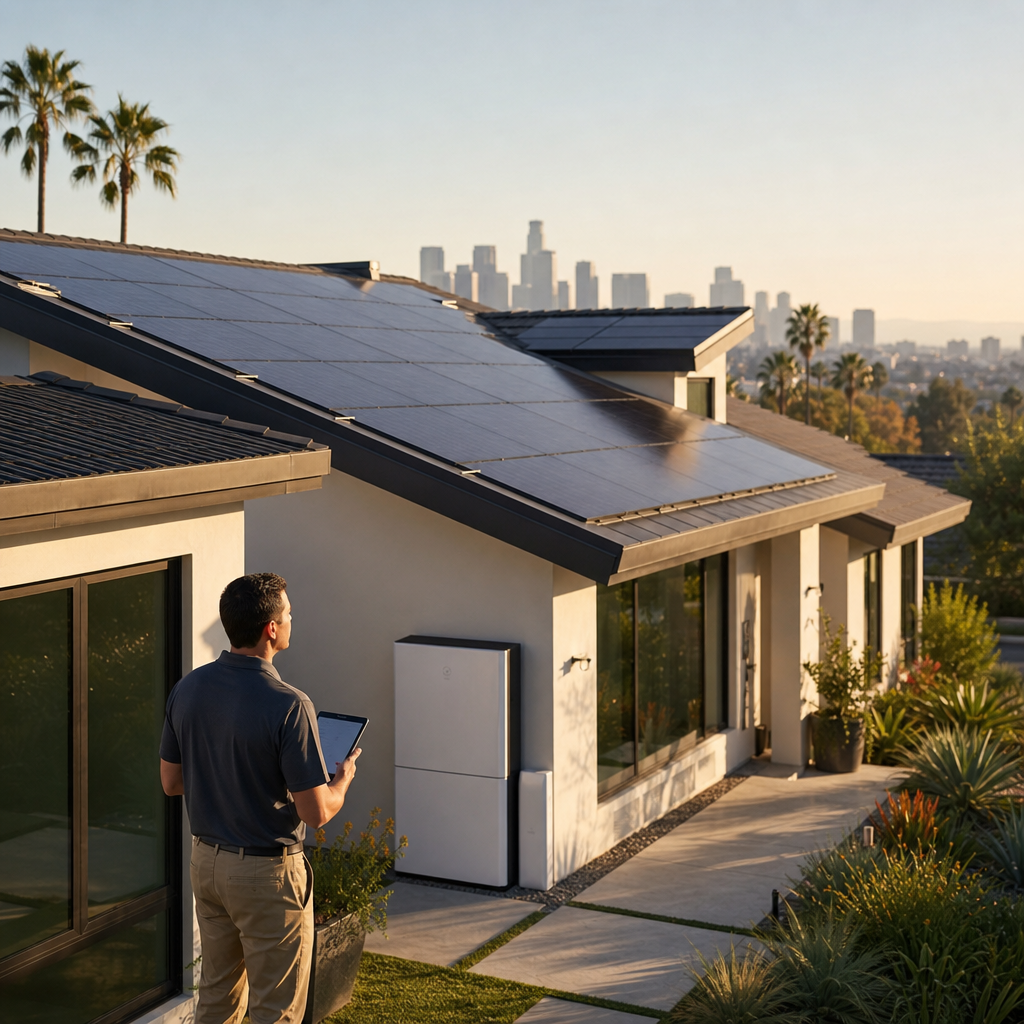
Historically, Solar Roof was most relevant when the home already needed a full roof replacement and the owner wanted an integrated look instead of rack-mounted panels. Tesla stopped public Solar Roof sales in August 2026, so HUS now uses this comparison as legacy context rather than presenting Solar Roof as a standard new-project option. In higher-visibility neighborhoods, on custom homes, or on roofs where appearance matters as much as energy production, the Solar Roof can be attractive because the roofing material and solar generation are combined into one system.
This option may also fit homeowners planning to stay in the property for many years and who want to coordinate roofing, solar, and battery work in a single project. Final suitability depends on roof geometry, usable solar space, shade, budget, structural conditions, and local permitting requirements. For a deeper project-planning breakdown, review our Tesla Solar Roof solar tile and Powerwall guide.
Tesla Solar Roof may be worth a closer look if you want:
- A new roof and solar at the same time
- A cleaner, lower-profile appearance
- One coordinated roofing and energy project
- The option to pair with battery storage
When standard solar panels make more sense
Standard solar panels are often the practical choice when the existing roof is still in good condition and has enough remaining life. For many Los Angeles homeowners, this route can provide strong production without replacing the entire roof today. Panels also offer flexibility across many roof types, and they are commonly the better fit when the main goal is lower utility dependence rather than an all-in-one roof redesign. If your roof is relatively new, structurally sound, and has favorable sun exposure, installing solar panels may avoid unnecessary roofing costs. This is especially relevant in areas served by LADWP or SCE, where the economics can vary by rate plan, time-of-use usage, export compensation, and future electricity needs such as EV charging or heat pump upgrades.Why roof condition matters before solar
The question of roof replacement before solar is one of the most important in Los Angeles. If a roof has only a few years of life left, installing either a Solar Roof alternative later or removing and reinstalling panels down the road can add avoidable cost and disruption. A roof assessment should happen before finalizing system design. Homeowners should verify the age of the roof, signs of leaks, decking issues, attic ventilation, underlayment condition, and whether the structure is ready for long-term solar attachment. This is where a solar-ready roofing evaluation can help. A project-specific recommendation may reduce the chance of doing roofing and solar twice.
When to add Powerwall battery backup
A Powerwall battery backup may make sense if you want backup power during outages, better use of daytime solar production in the evening, or more control under NEM 3.0 style export rules. In Los Angeles, batteries are often part of the conversation because utility rate structures reward thoughtful self-consumption, not just maximum export. For current installation planning, see our Tesla Powerwall 3 installation Los Angeles guide.
Battery sizing should match your priorities. Some homes want to back up refrigeration, lights, Wi-Fi, and a few circuits. Others may want air conditioning, medical equipment, or a larger critical loads setup. Eligibility for incentives such as SGIP may change, and homeowners should verify current rules, utility requirements, and documentation standards. Home Upgrade Specialist is not a tax advisor, and tax treatment or incentive questions should be confirmed with the appropriate professional or program source. For deeper planning, review our SGIP battery incentive guide, NEM 3.0 solar payback guide, Tesla Home energy management guide, and Powerwall 3 incentive guide.
What affects payback in Los Angeles
Payback is never one-size-fits-all. It may depend on roof condition, utility rates, system size, orientation, shading, battery design, financing terms, household usage, and available incentives. It can also change if you add an EV charger, replace an old AC with a heat pump, or increase daytime occupancy. That is why homeowners should be careful with any blanket savings claim. A realistic estimate should model current LADWP or SCE bills, annual usage patterns, roof constraints, and whether the project includes roofing work. For incentive planning, compare the broader Los Angeles solar and battery incentives guide before making final assumptions. You can start with the solar estimate calculator, then request a formal assessment for more accurate planning.Questions LA homeowners should ask before deciding
Ask these before choosing Tesla Solar Roof or standard solar panels:
- How many years of life does my current roof likely have?
- Is my roof layout better for integrated roofing or mounted panels?
- Would battery backup improve outage resilience or bill management?
- How do NEM 3.0, LADWP, or SCE rules affect this design?
- Should I plan for EV charging or HVAC electrification later?
Home Upgrade Specialist is a licensed Southern California contractor for HVAC, solar, roofing, and battery projects. Final recommendations require an in-home or virtual assessment and current program review.
Start Your Solar EstimateRelated Los Angeles energy guides
Use these pages to compare the roof, solar, battery and electrical pieces before signing a proposal.
Step-by-step planning checklist
Before choosing between Tesla Solar Roof and solar panels, compare the roof, electrical and energy-storage scope in writing.
- Start with a roof-life review. If the roof is older, leaking or near replacement age, compare a roof replacement before solar with a panel-only project.
- Confirm whether the roof should be designed as solar-ready roofing even if panels or solar tiles are installed later.
- Review battery needs with the Tesla Powerwall 3 installation guide, including which loads should stay on during an outage.
- Plan future electricity use, including EV charger installation and possible heat pump and solar electrification.
- Compare permits, utility interconnection, financing assumptions, warranties and final closeout documents before signing.
Quick Solar Roof, Panel and Battery Planning Links
Use these related guides to compare roof condition, solar panel options, Powerwall backup, NEM 3.0 planning and whole-home electrification:
- Roof replacement before solar
- Solar panel installation in Los Angeles
- Tesla Powerwall installation in Los Angeles
- NEM 3.0 solar payback planning
- Heat pump and solar planning
- Best HVAC, solar, roofing and battery company in Los Angeles
- Request a free estimate
FAQ
Is Tesla Solar Roof better than solar panels?
Not always. Tesla Solar Roof may be better when you need a new roof and want an integrated appearance. Standard panels may be better when your roof is still in good condition and you want a practical energy upgrade.Should I replace my roof before solar?
If the roof is aging or showing problems, replacing it first may help avoid future removal and reinstallation costs. A roof inspection should guide that decision.Do I need a battery with solar in Los Angeles?
Not every home does, but battery backup can be valuable for outage protection and better solar self-use. For a Free Estimate, call (833) 446-6387.Plan your home energy project with one team
Compare scope, equipment and utility rules in a single written plan built around your address.
Start My Home Plan